
From the Baltic to the Black Sea: Helsinki to Istanbul. Part 5: A Peek into Moldova
/
Introduction
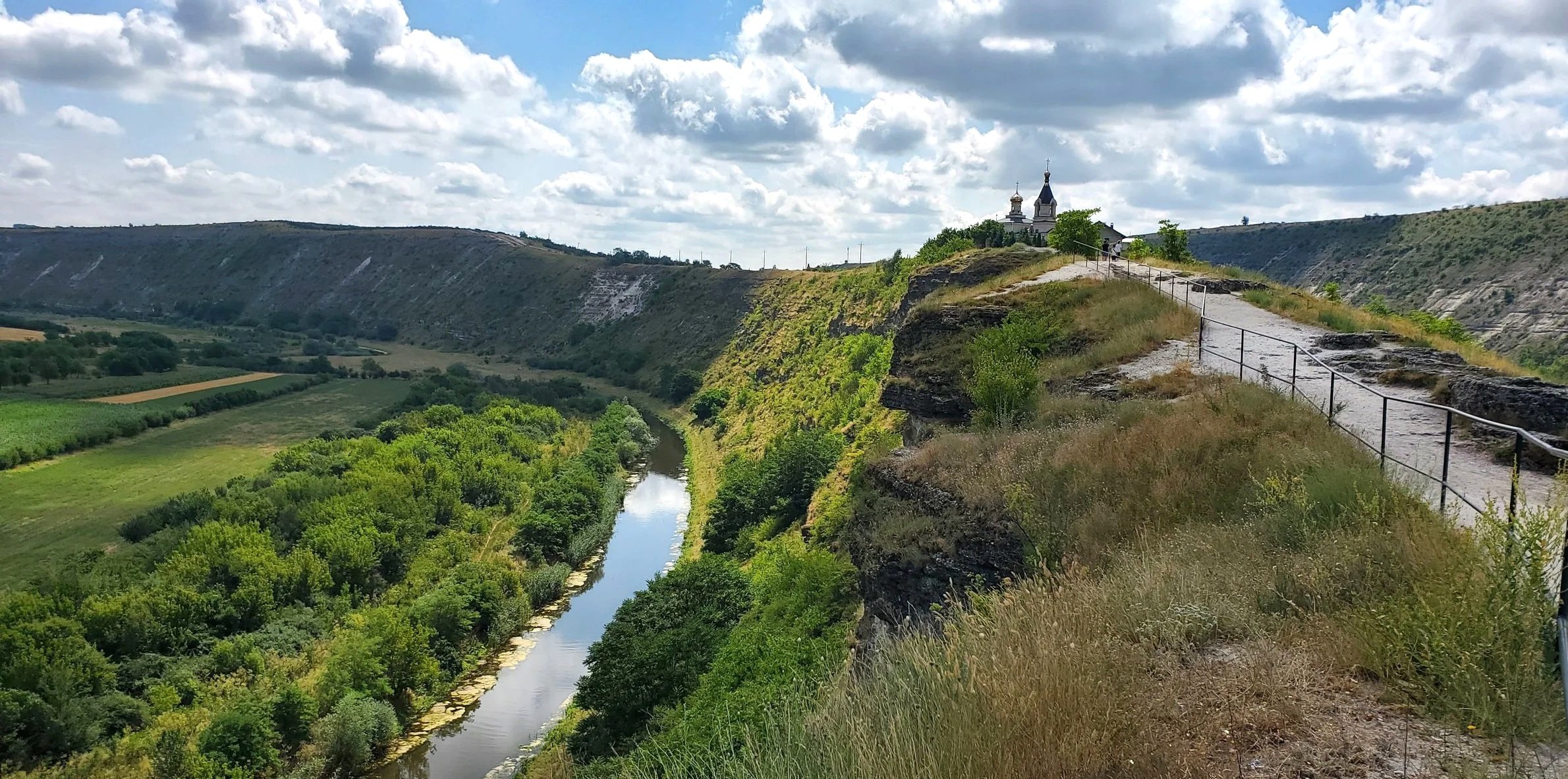
Moldova is often described as one of Europe’s least visited countries. Sandwiched between Romania and Ukraine, it is not on most people’s European itinerary. However, a brief bit of research highlights its world class wine industry and stunning countryside – two good reasons to visit, so we decided to drop in for a few days and take a peek. Here’s what we found.
From Budapest to Chișinău
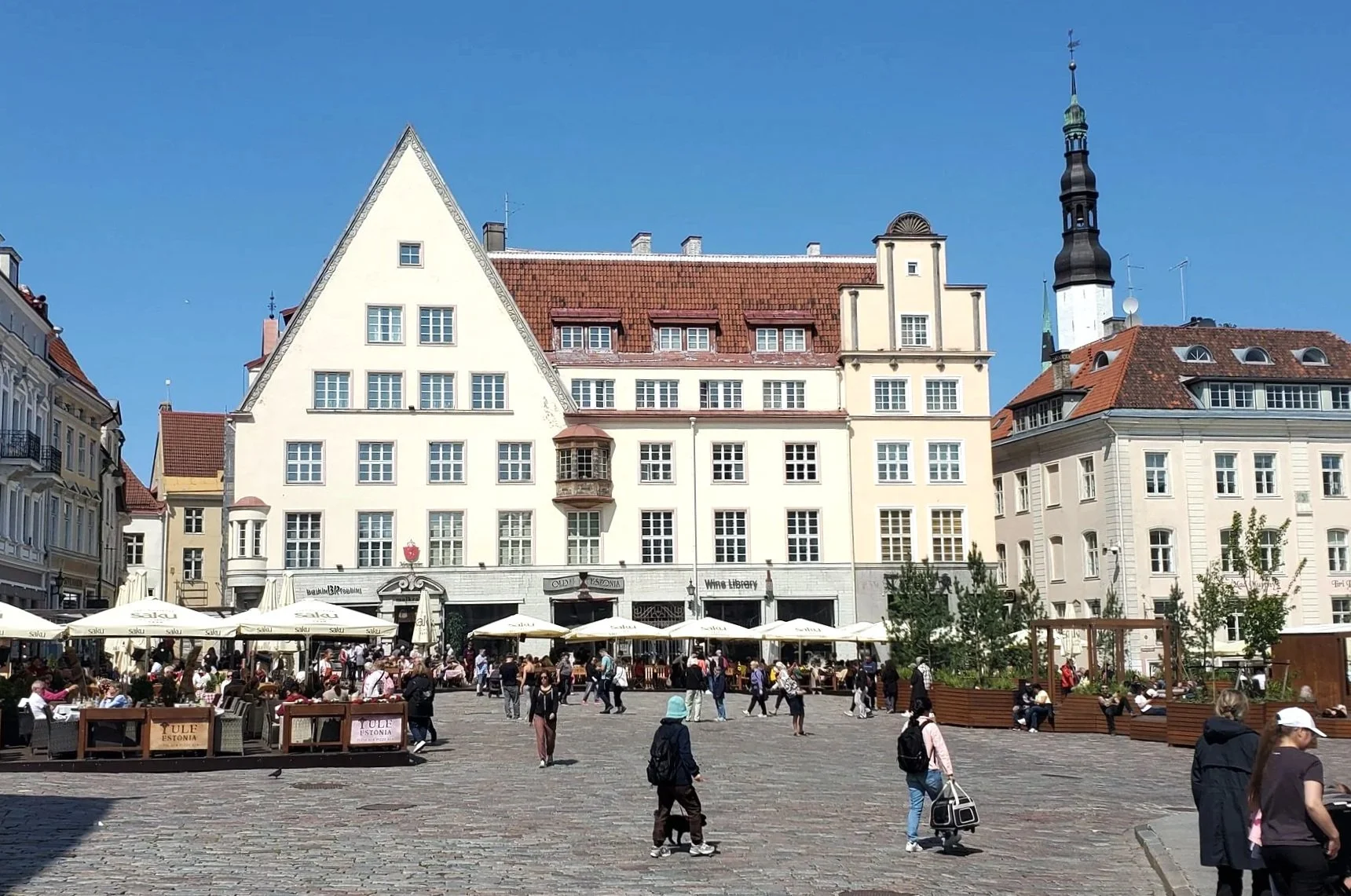
We arrived by plane from Budapest to Moldova’s capital Chișinău. Here are a few shots from our short stopover in Budapest.
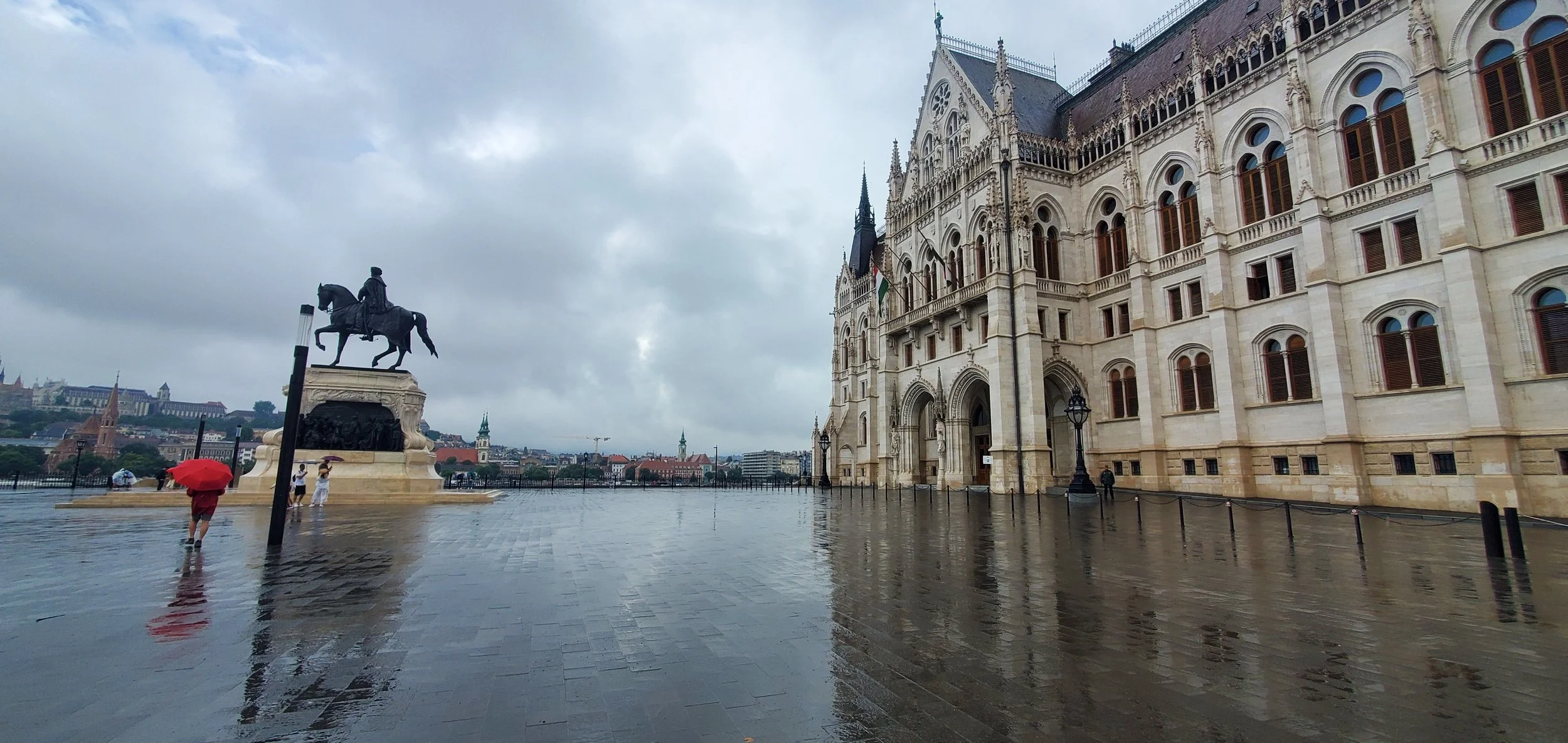
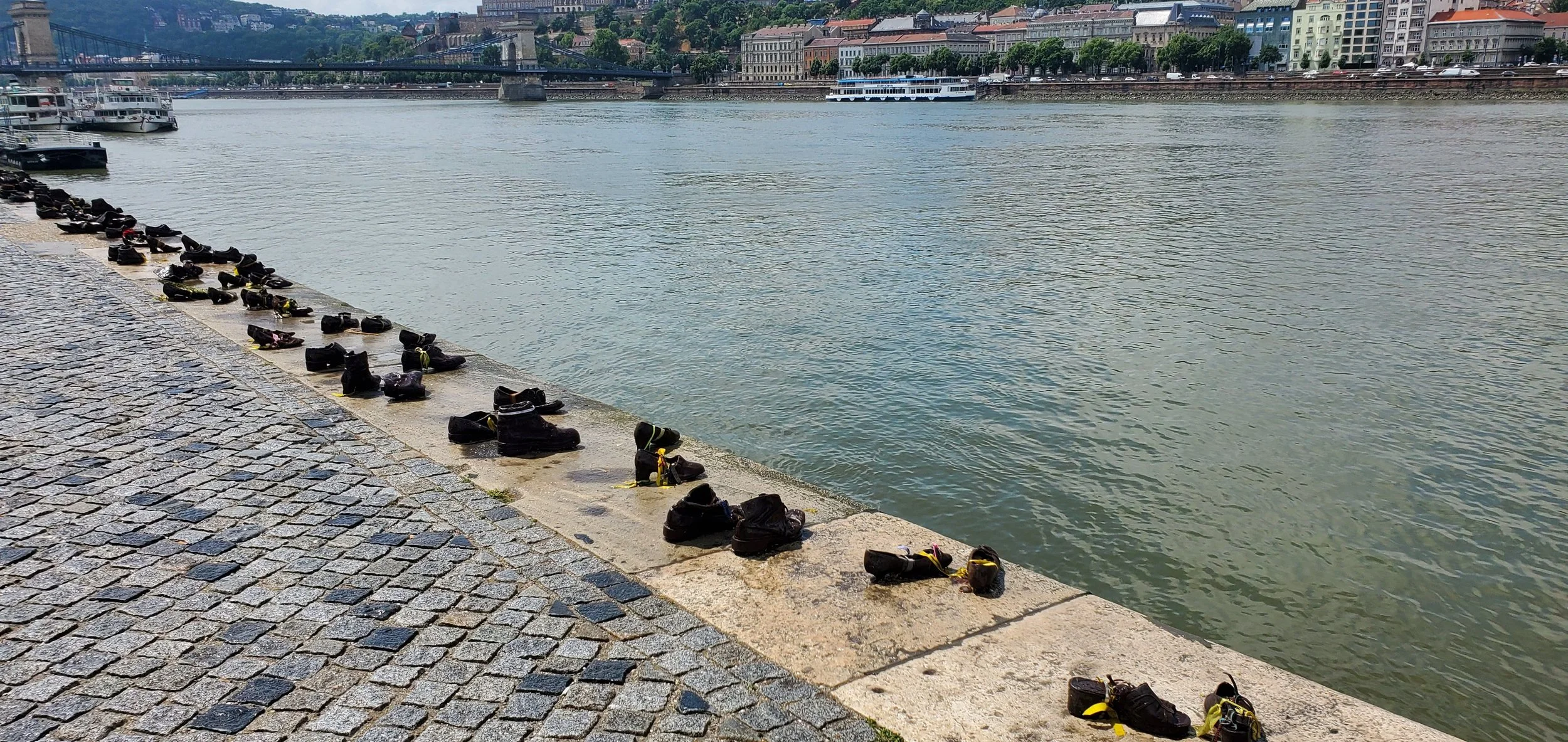
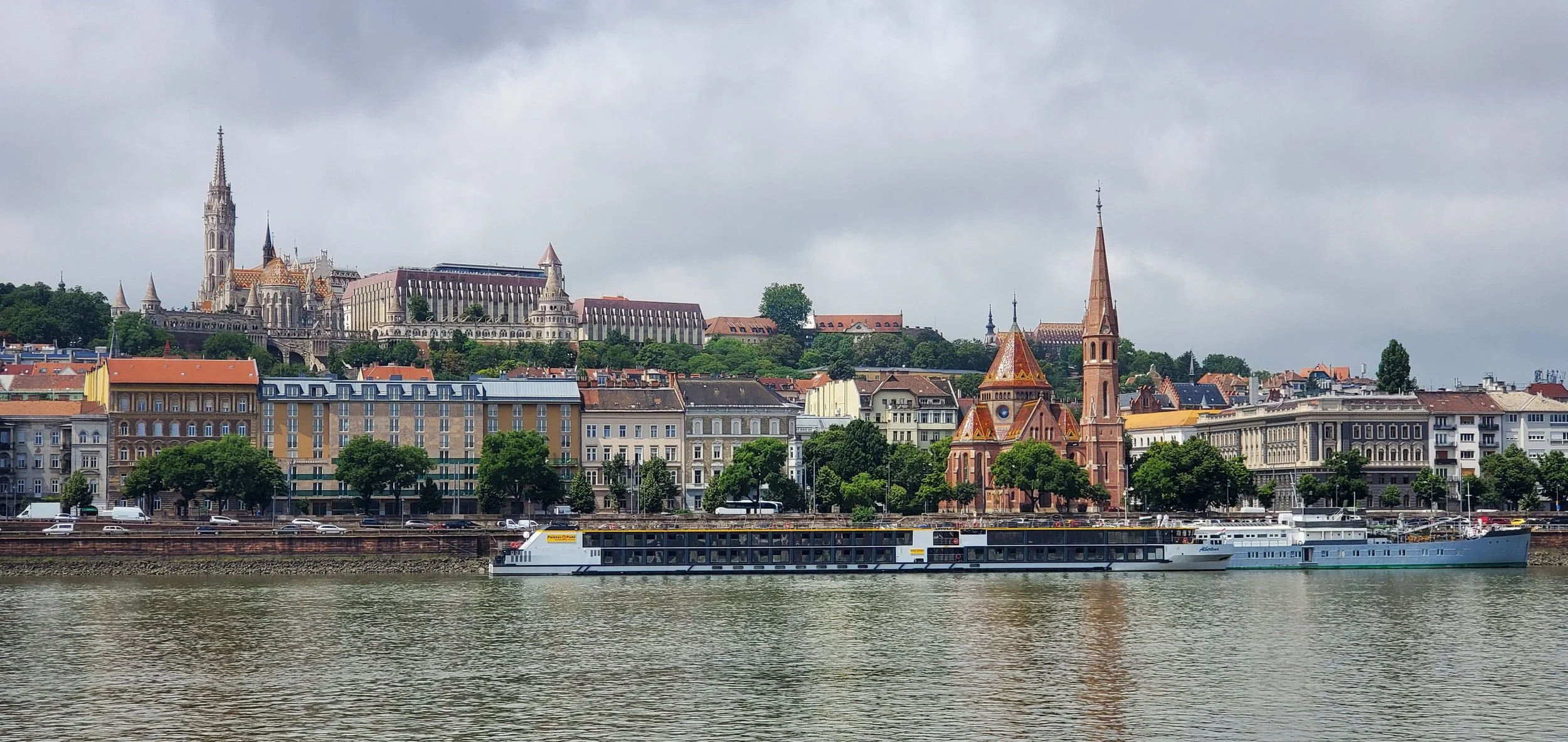
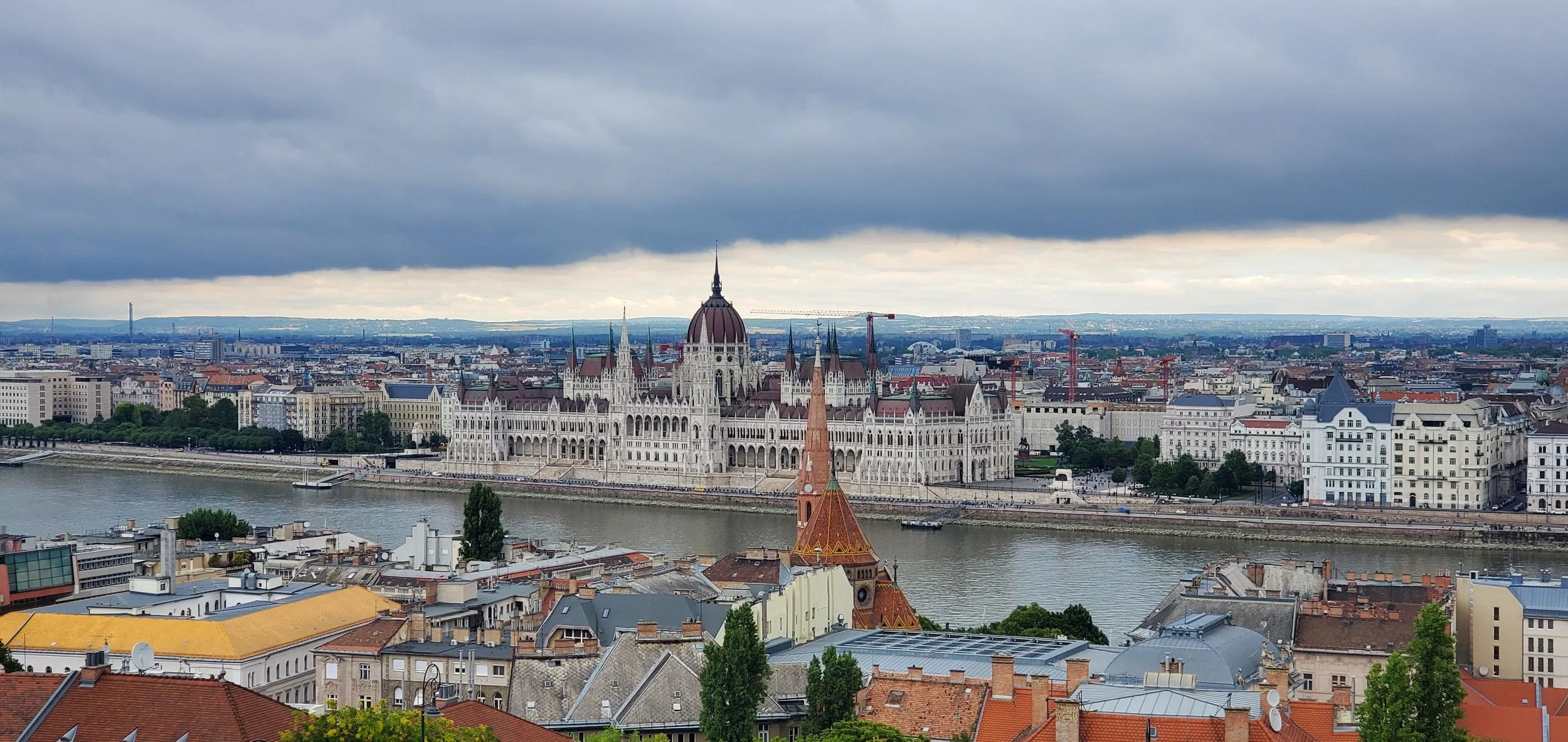
Chișinău (pronounced Kish-inau) is a city of half a million in a country of 3.5 million. We had four nights, three full days, to experience a bit of Chișinău and some surrounds. We decided to divide our time as: Day 1. Chișinău; Day 2. Orheiul Vechi Monastery and countryside; Day 3. Winery tour.
Day 1. Chișinău
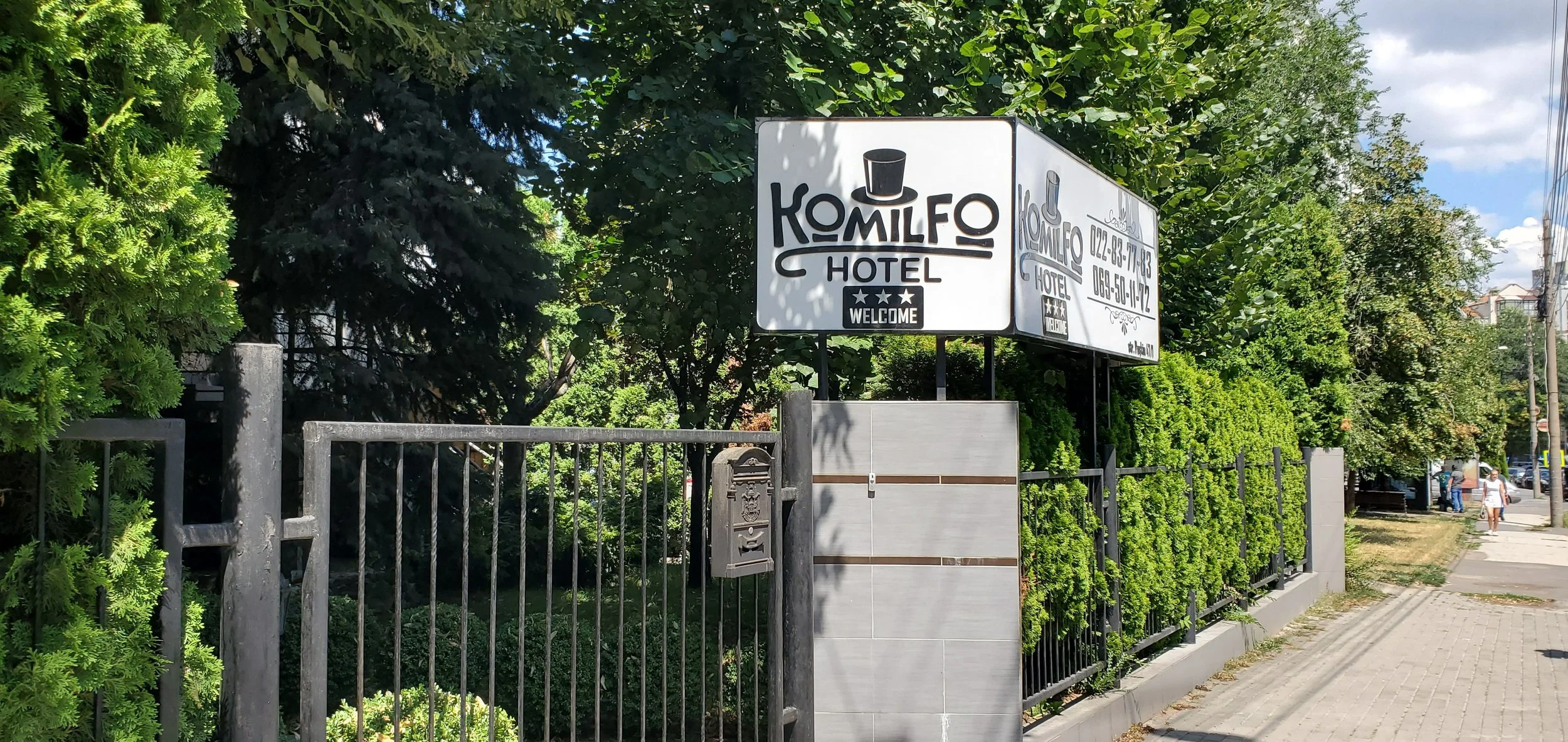
We landed the previous evening and checked into a pleasant little hotel 10 minutes’ walk from the centre of the city – Hotel Komilfo. This was a good choice with helpful English-speaking staff and an excellent location.
We started the day with a few practical tasks: acquiring a local sim card being our first job. We hadn’t been able to find a travel sim for Europe that included Moldova, but an easily sourced local sim only cost around $A5 / $US3.50 for a month.
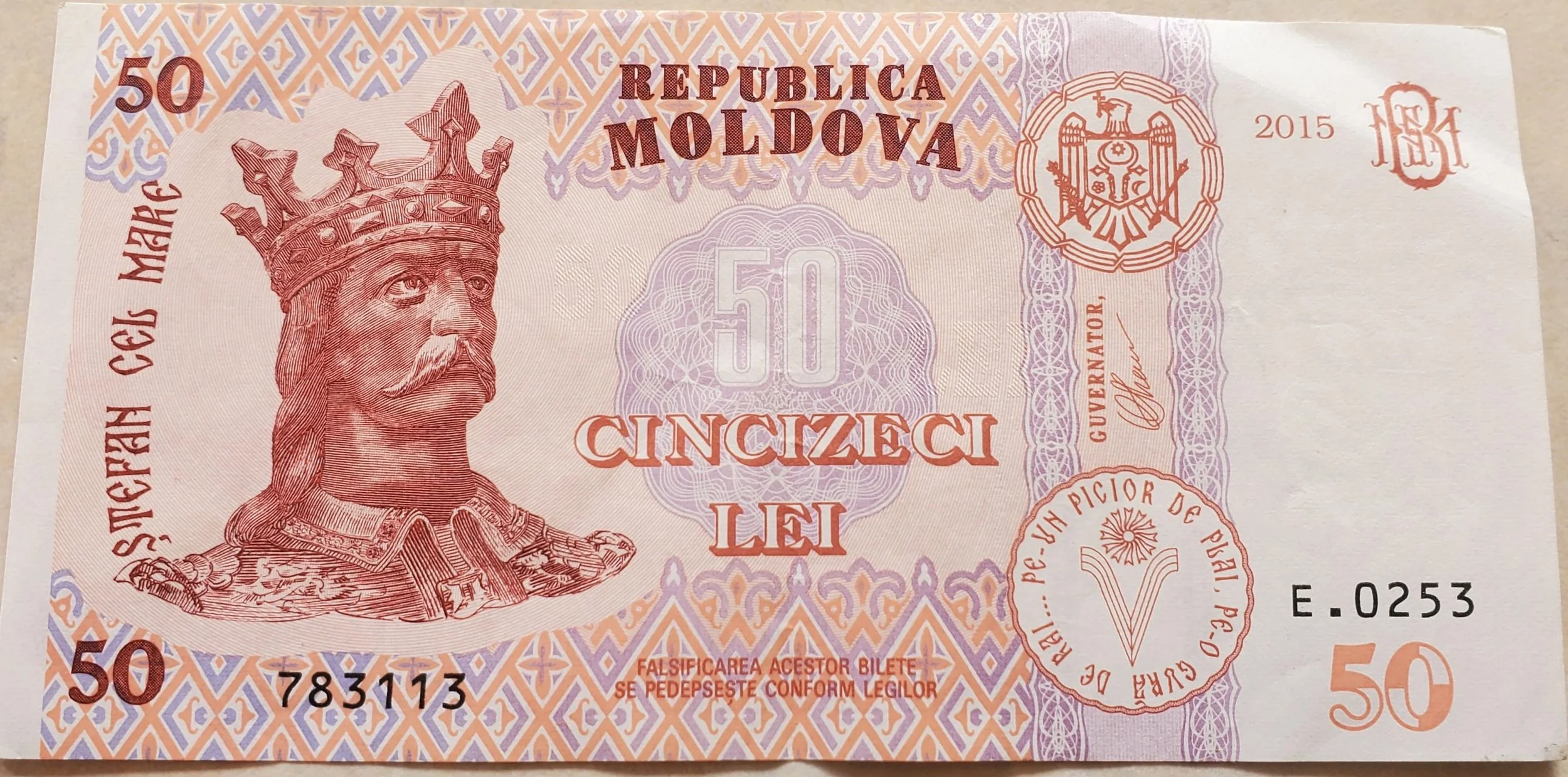
We also got some Moldovan currency, the lei, from an ATM as many small businesses only use cash.
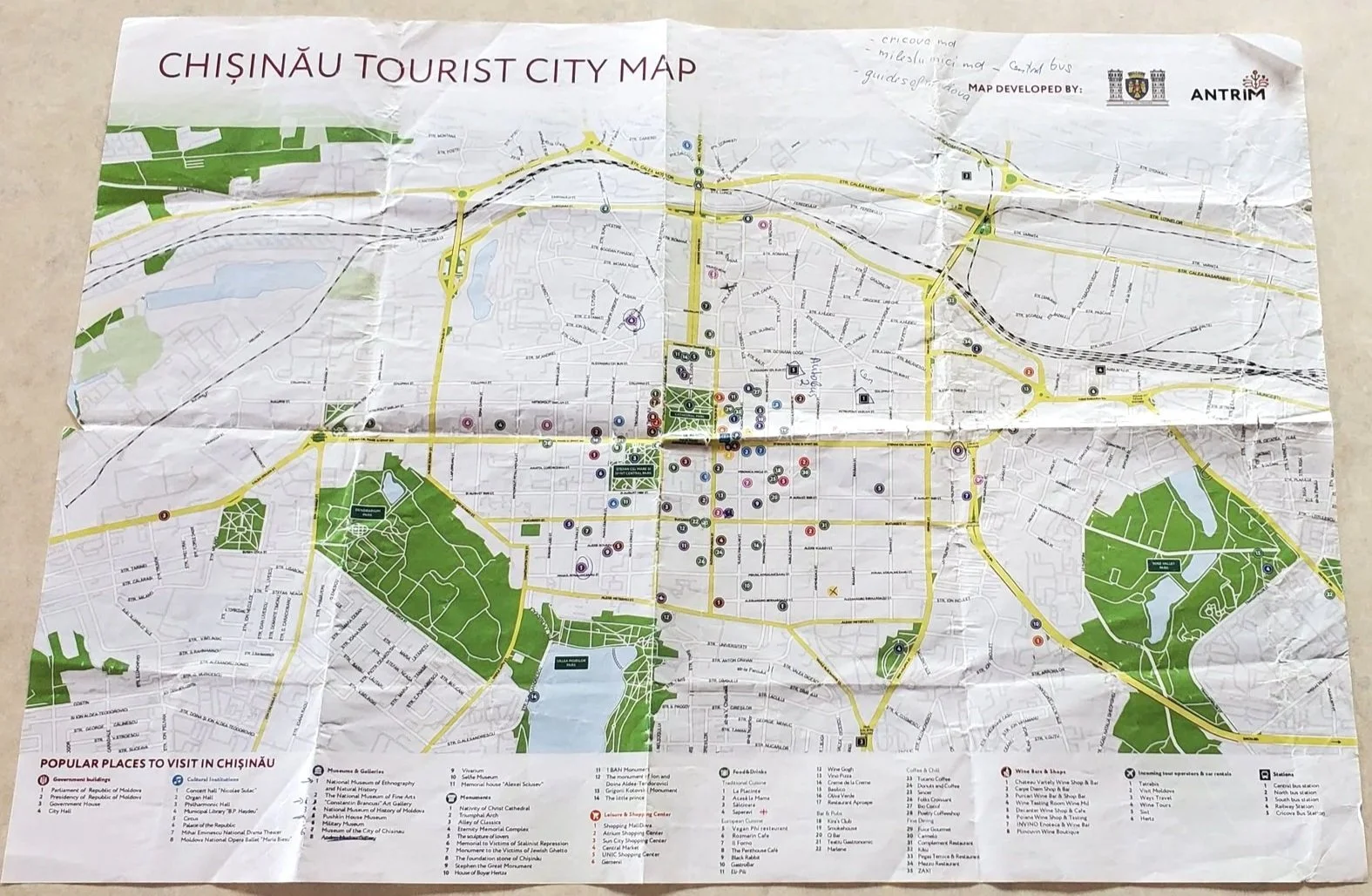
We also got a useful city map from the local Tourist Office with info about the main city sights.
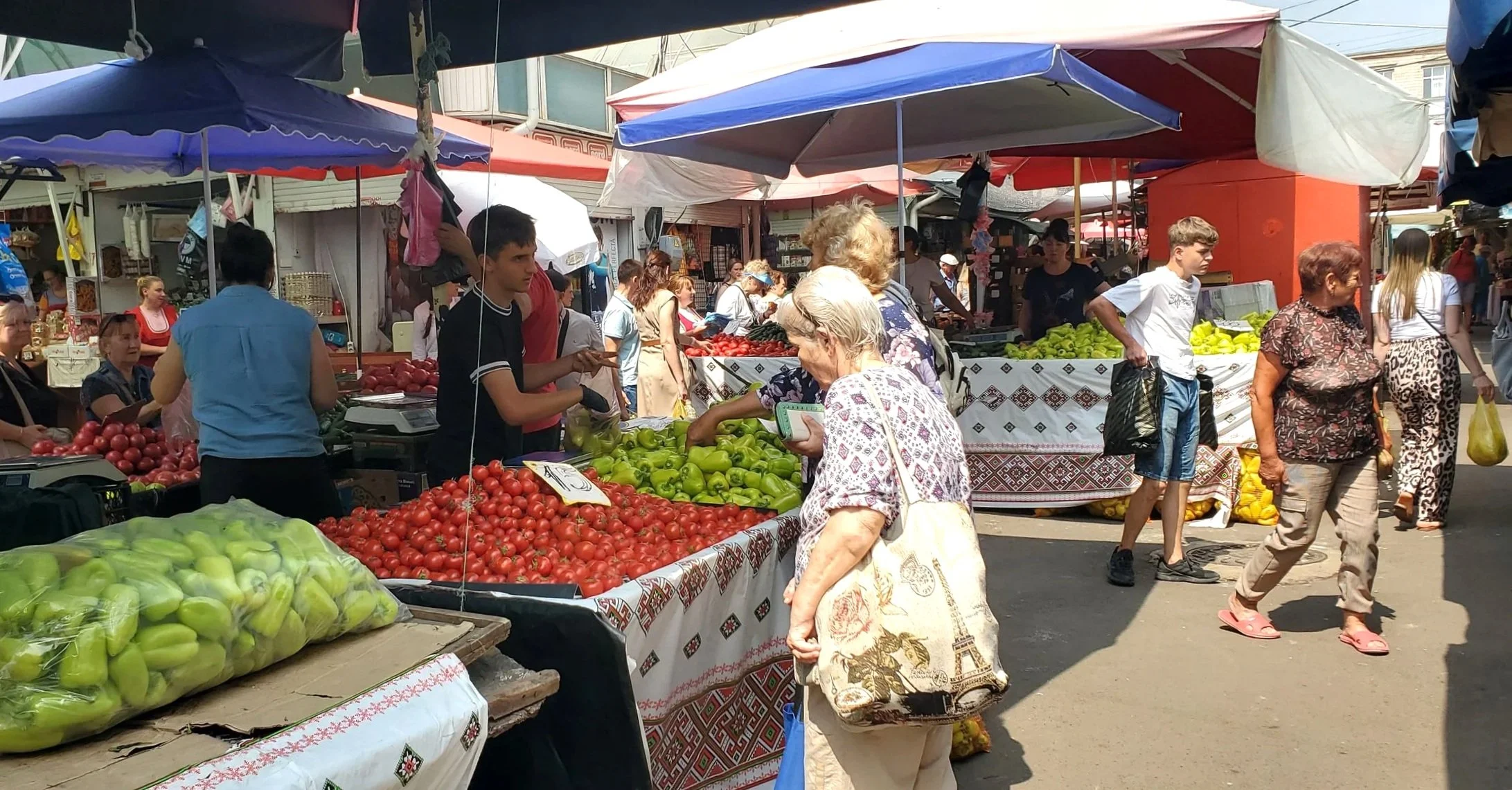
We then headed for the local produce market which is adjacent to the marshrutky (minibus) station.
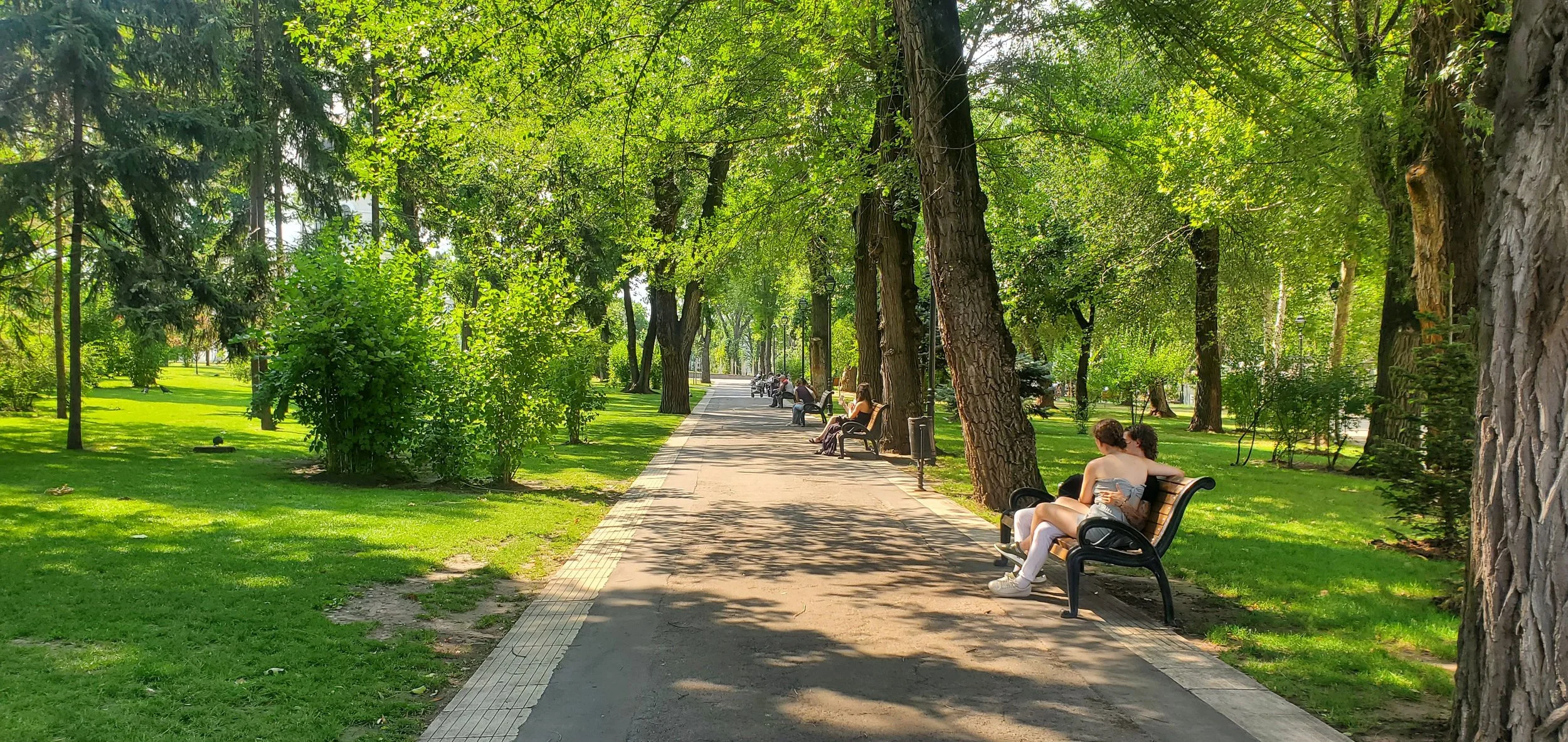
In the centre of town is the Cathedral Park, a pleasant green space at the city’s heart.
The park is home to the Nativity of Christ Cathedral. It dates to the 1830s.
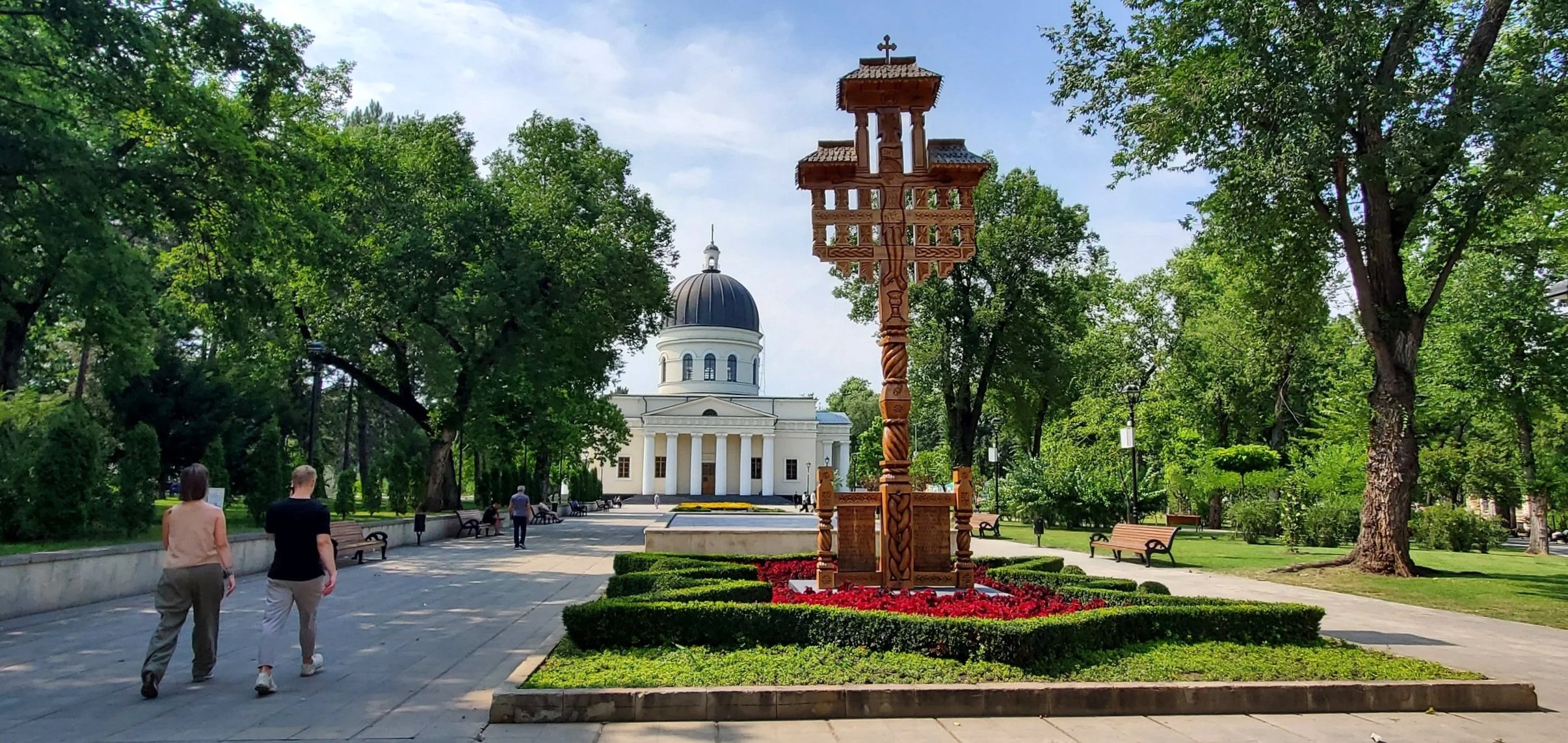
nativity of christ cathedral
At the main entrance to the park is Moldova’s Arc de Triomphe and it commemorates Russia’s victory over the Ottoman Empire during the Russo-Turkish War of 1828-29. Prior to its independence in 1991 Moldova was part of the Soviet Union and before that it was part of the Russian Empire from 1812 to the Soviet Era.
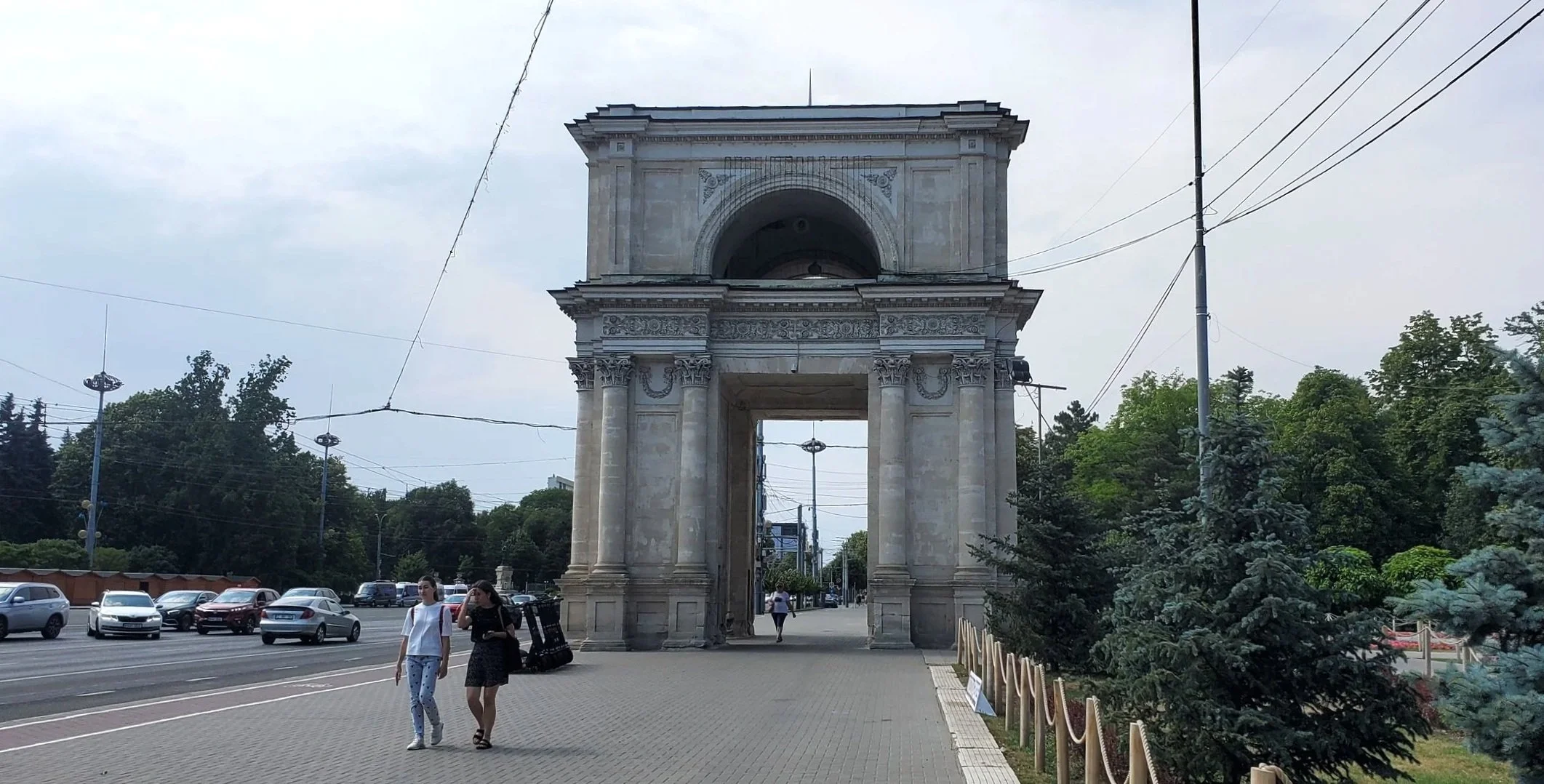
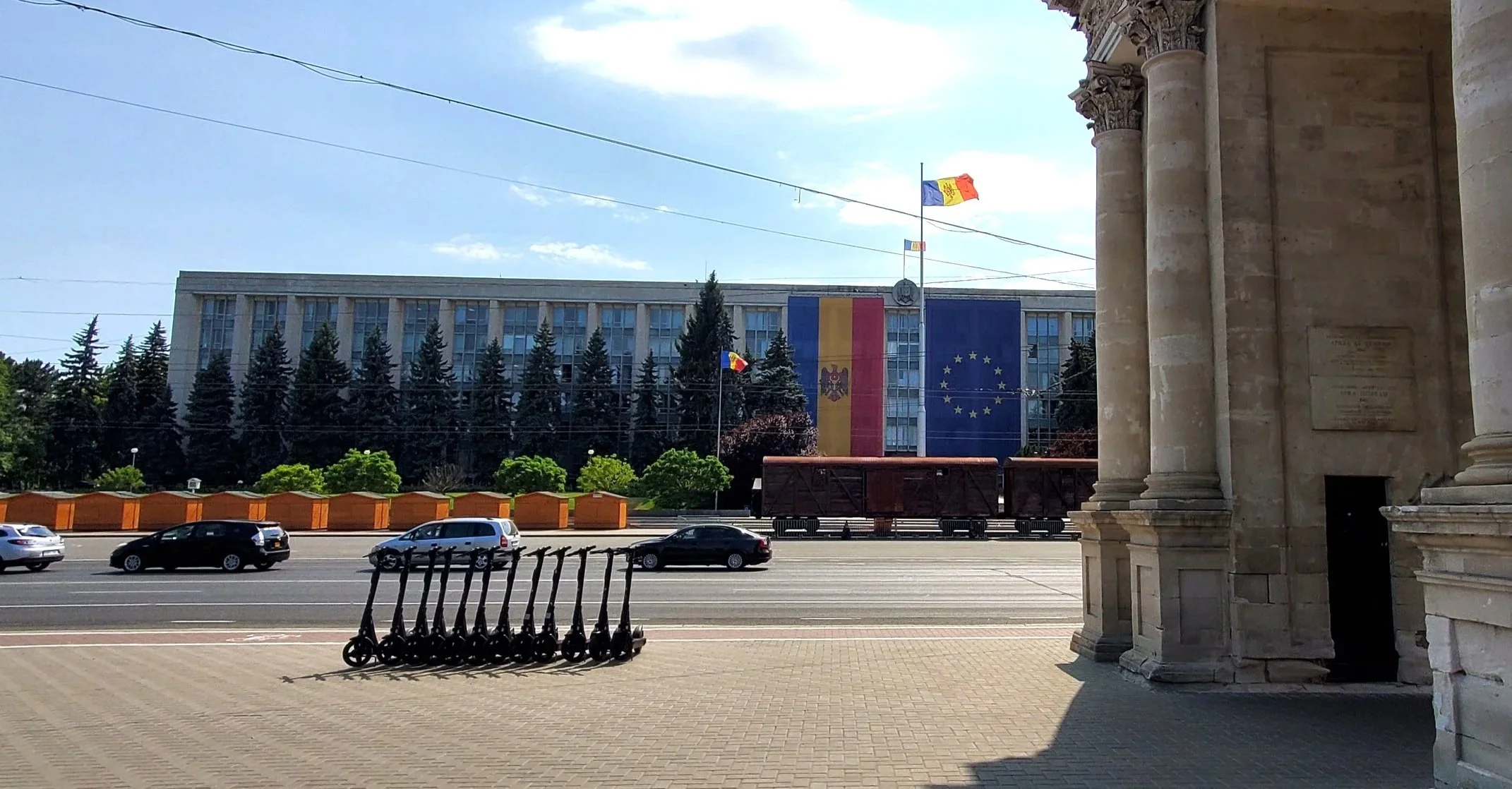
Nearby is Moldova’s Government House. In front of the building are some train carriages and small orange buildings. This is a memorial to the forced deportations of thousands of Moldovans by Stalin during the Soviet period. It is called the Train of Pain.
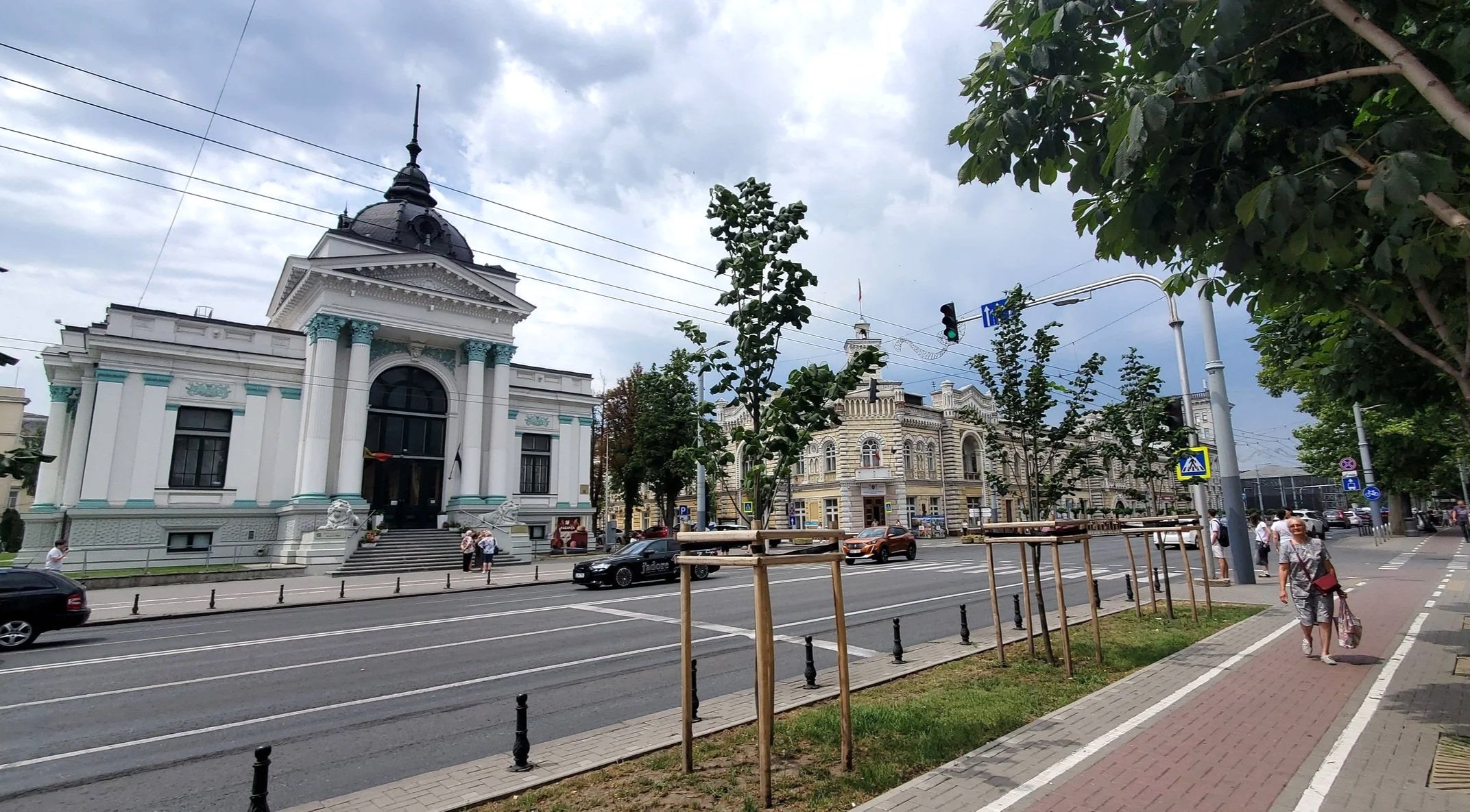
We continued our wanderings and came across the Organ Recital Hall (on the left below) and the City Hall (on the right).
It is an easy city to navigate for visitors with plenty of English-language signage pointing to the main attractions.
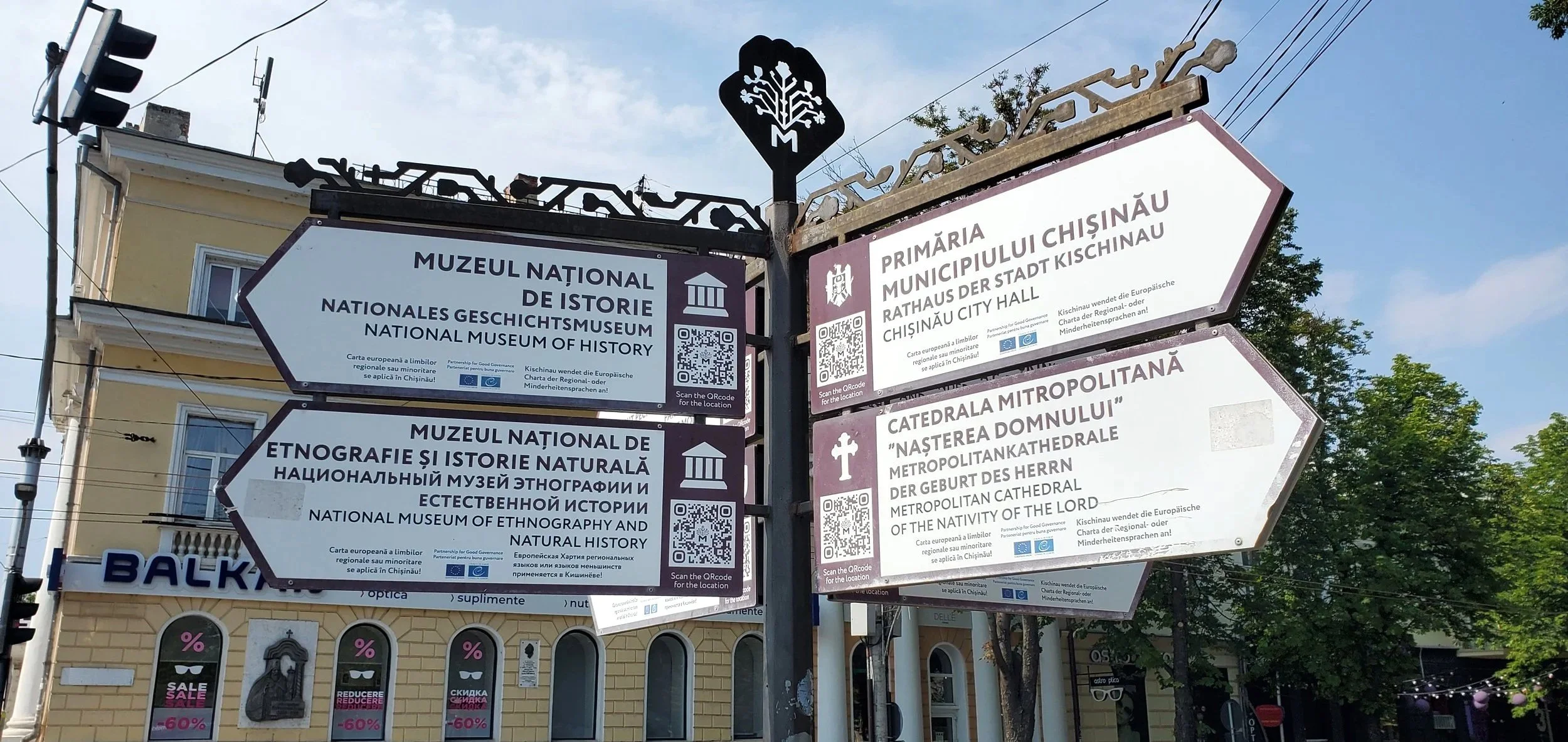
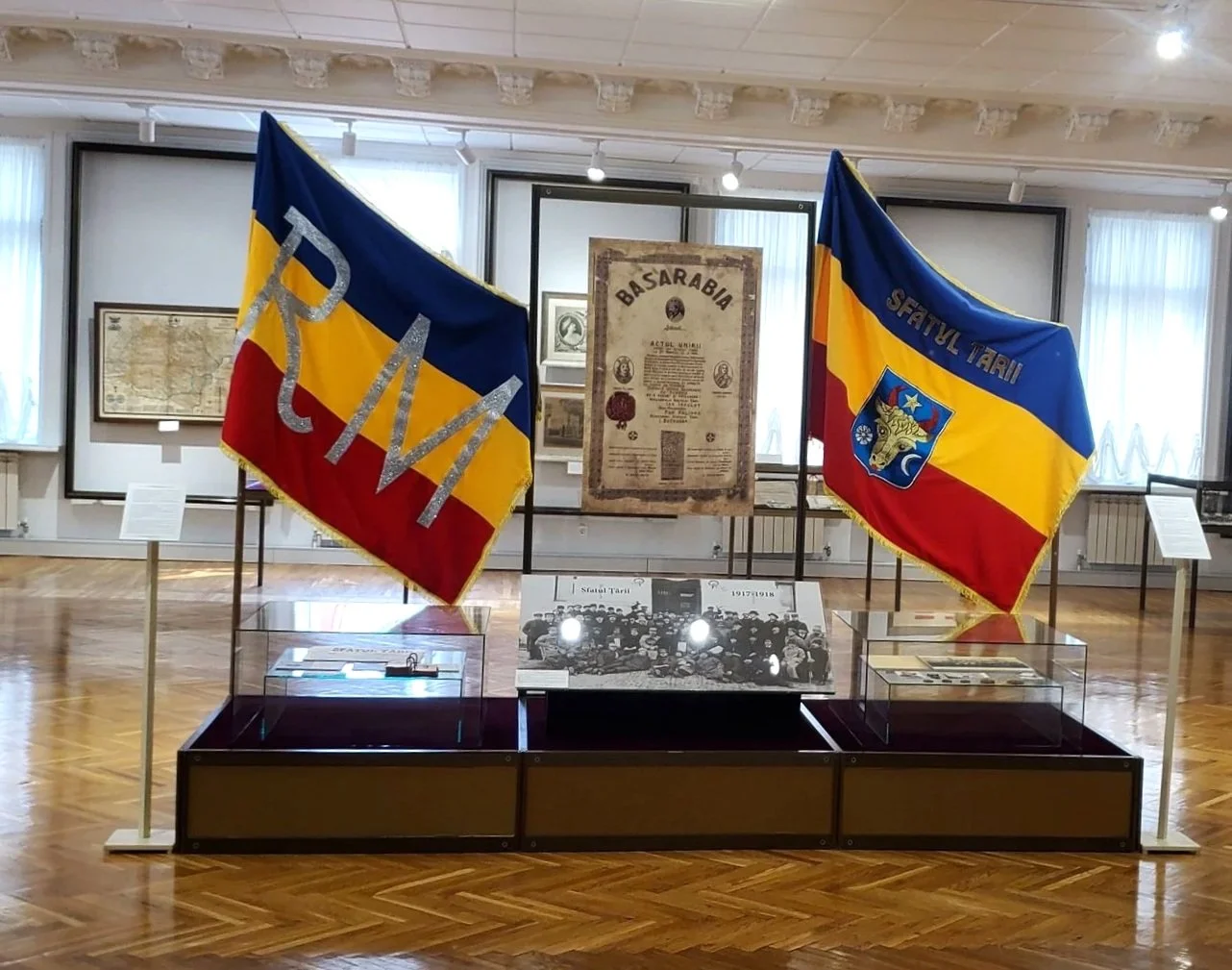
We found the National Museum of the History of Moldova particularly interesting.
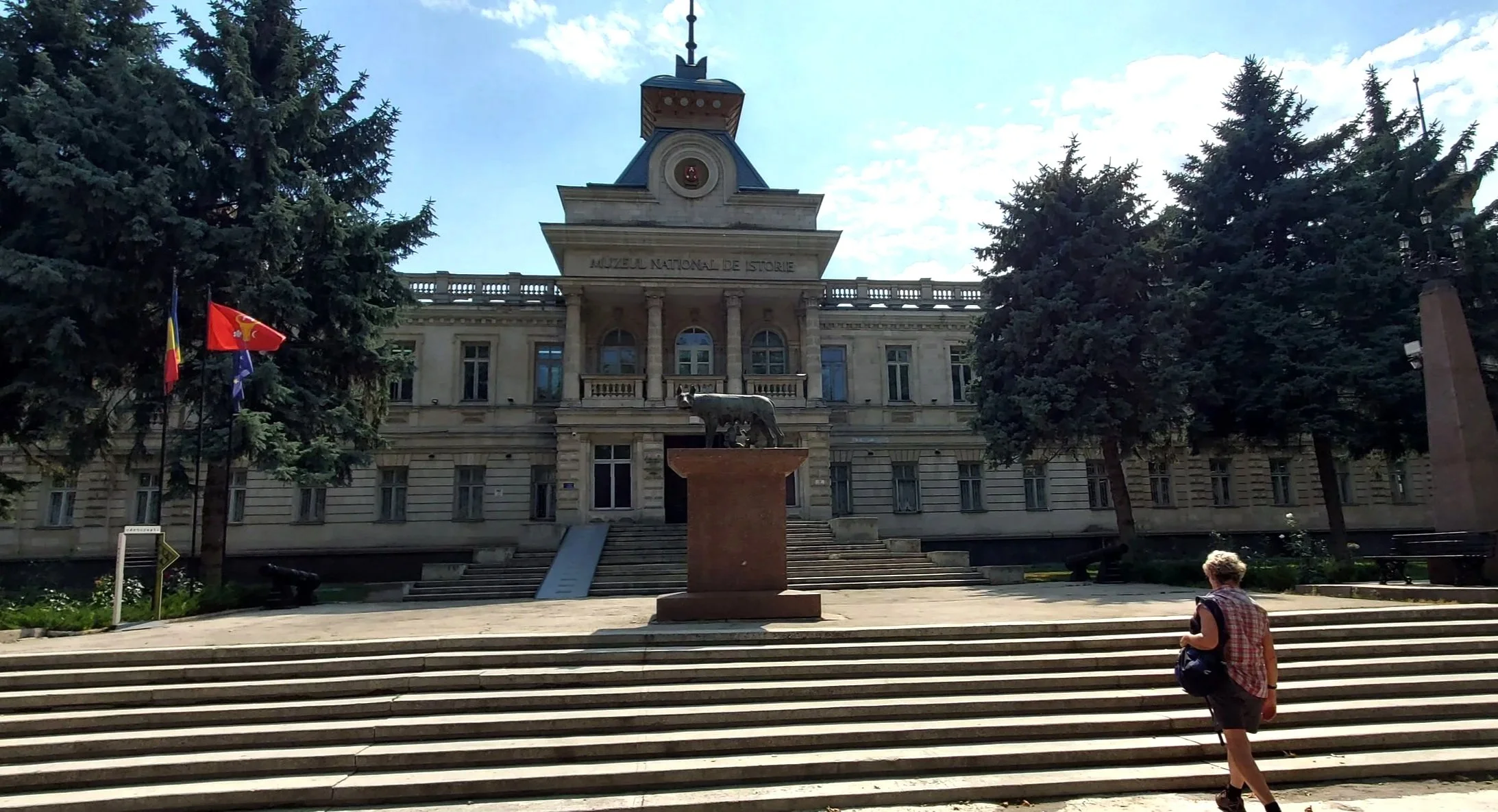
It begins with pre-history and early periods.
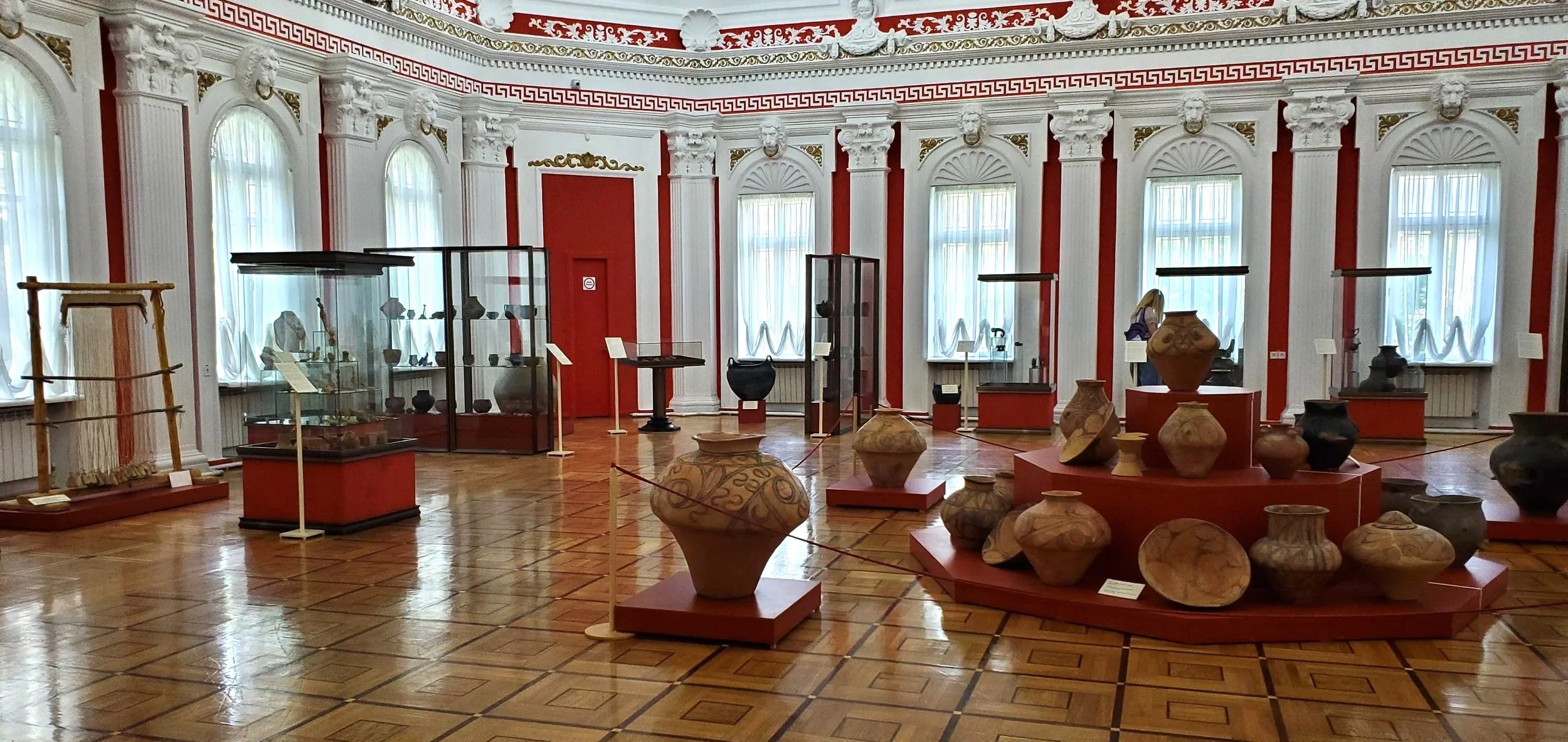
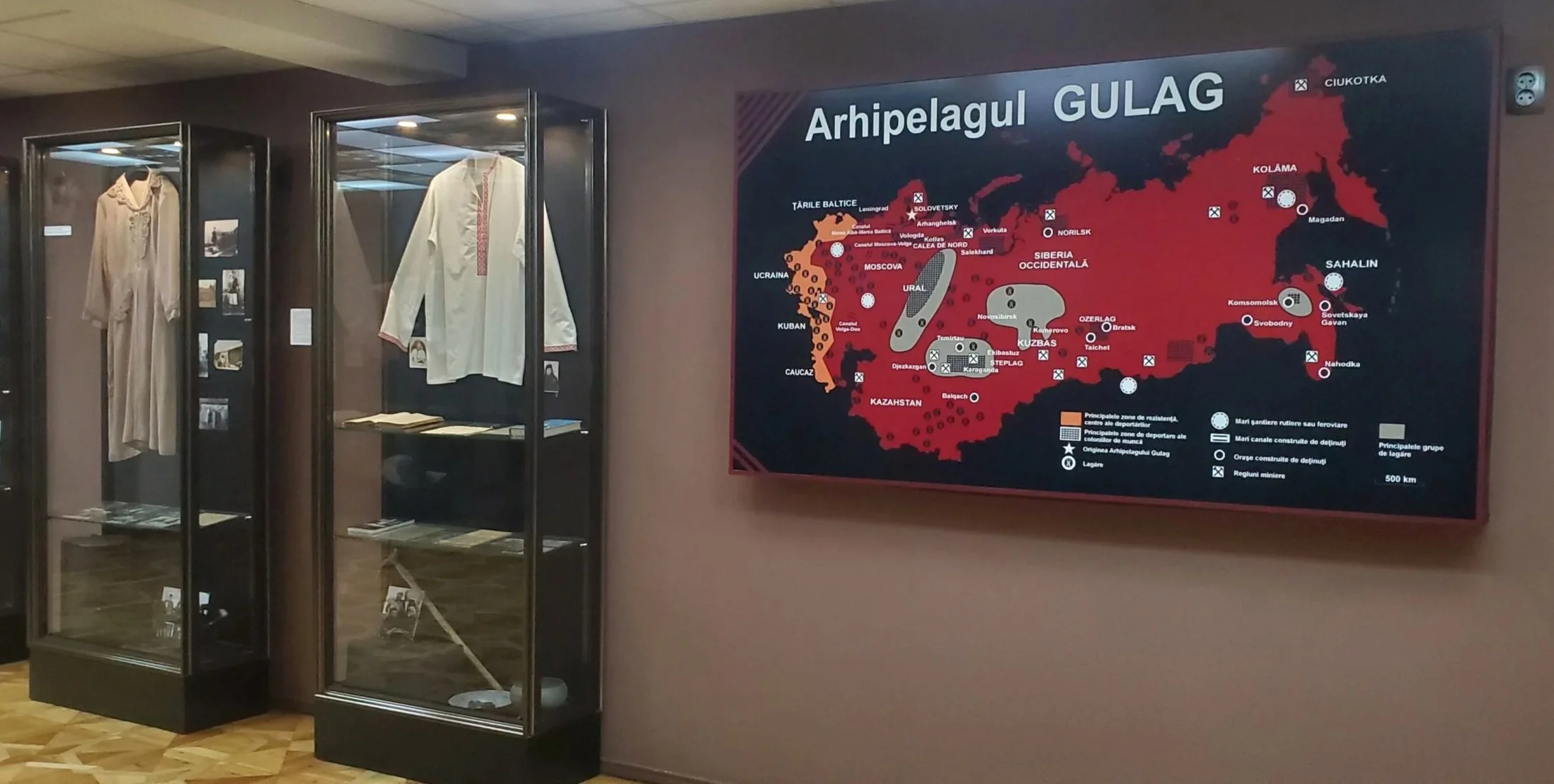
And includes a section on the abuses of the Soviets and the gulag system (notorious prison camps).
An enormous diorama depicts a WWII battle which took place near the Moldovan village of Leuseni and was created when Moldova was still a Soviet Republic.
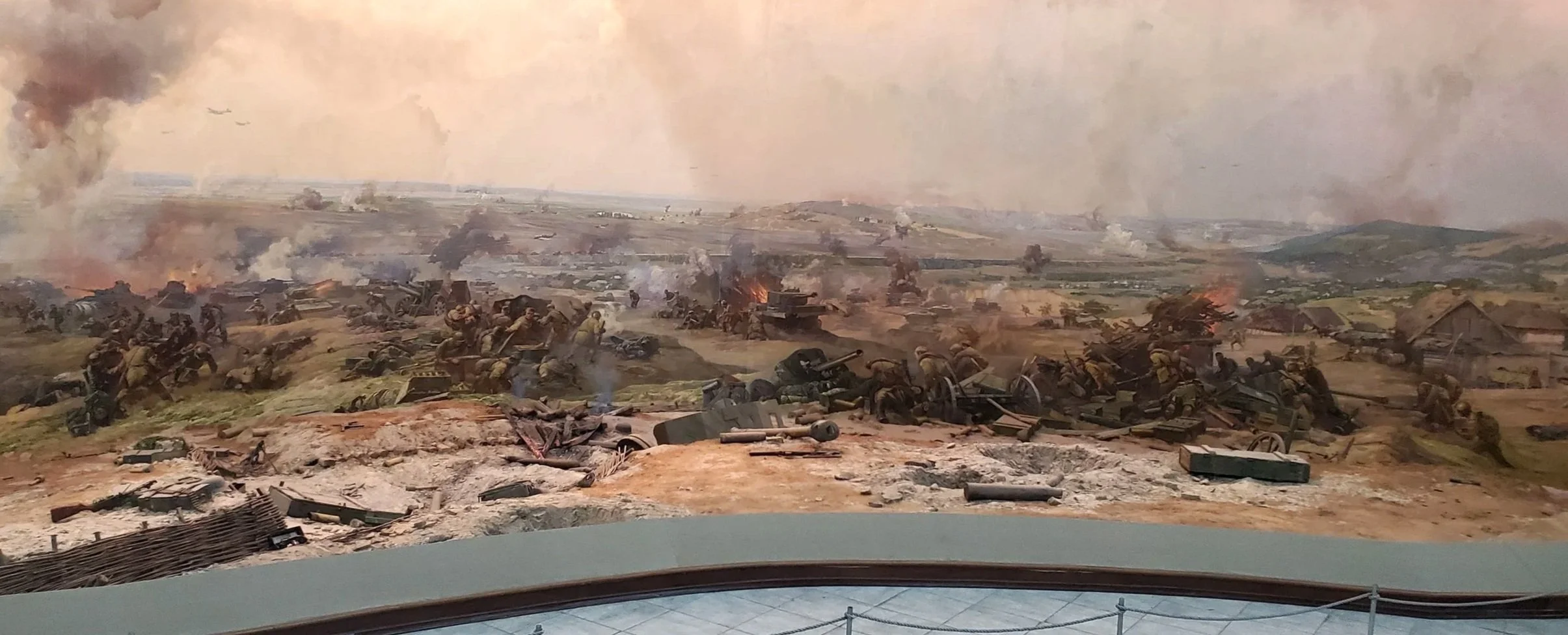
All in all, a good day exploring the centre of Chișinău, but by no means comprehensive. Time was our enemy unfortunately.
Day 2: Orheiul Vechi
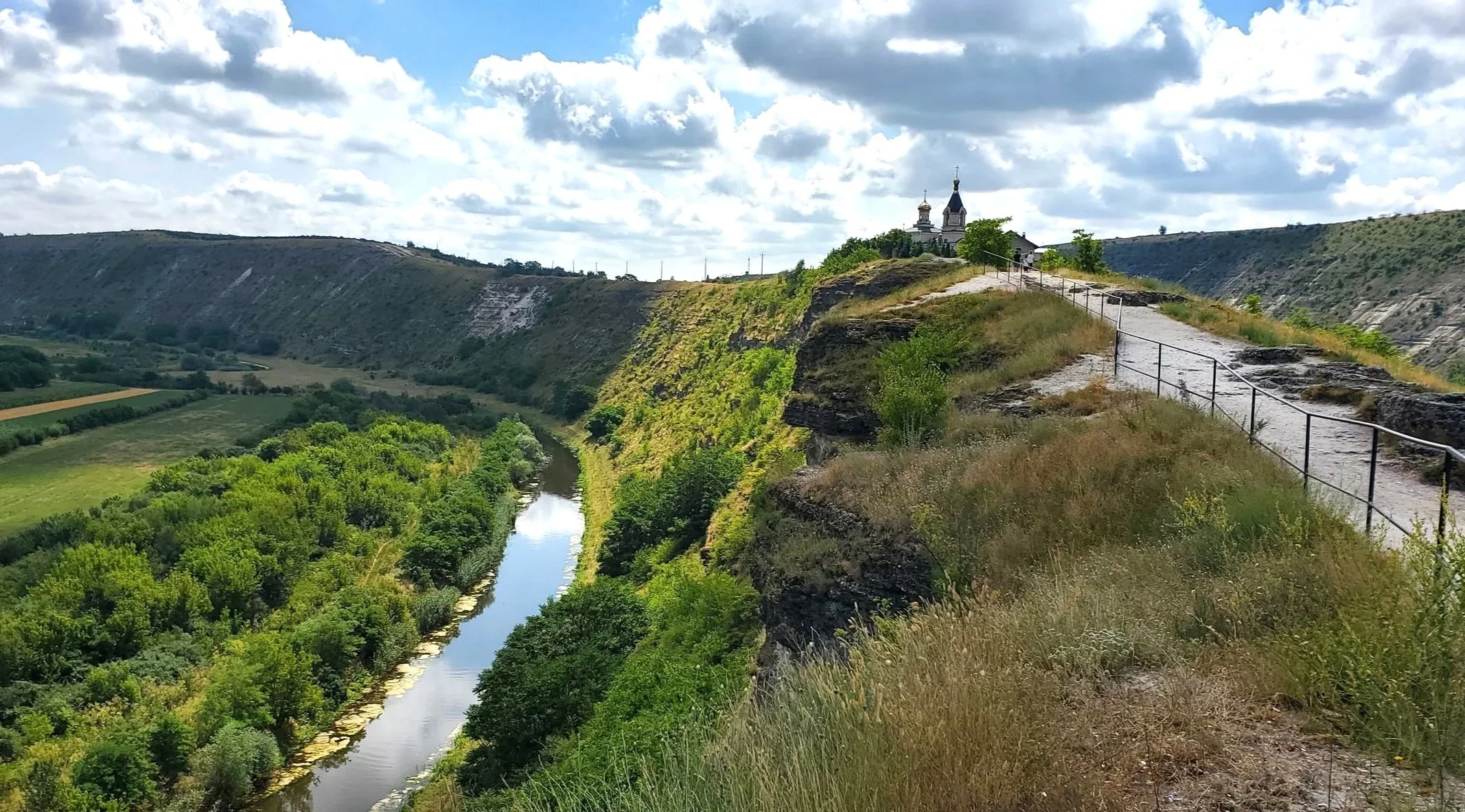
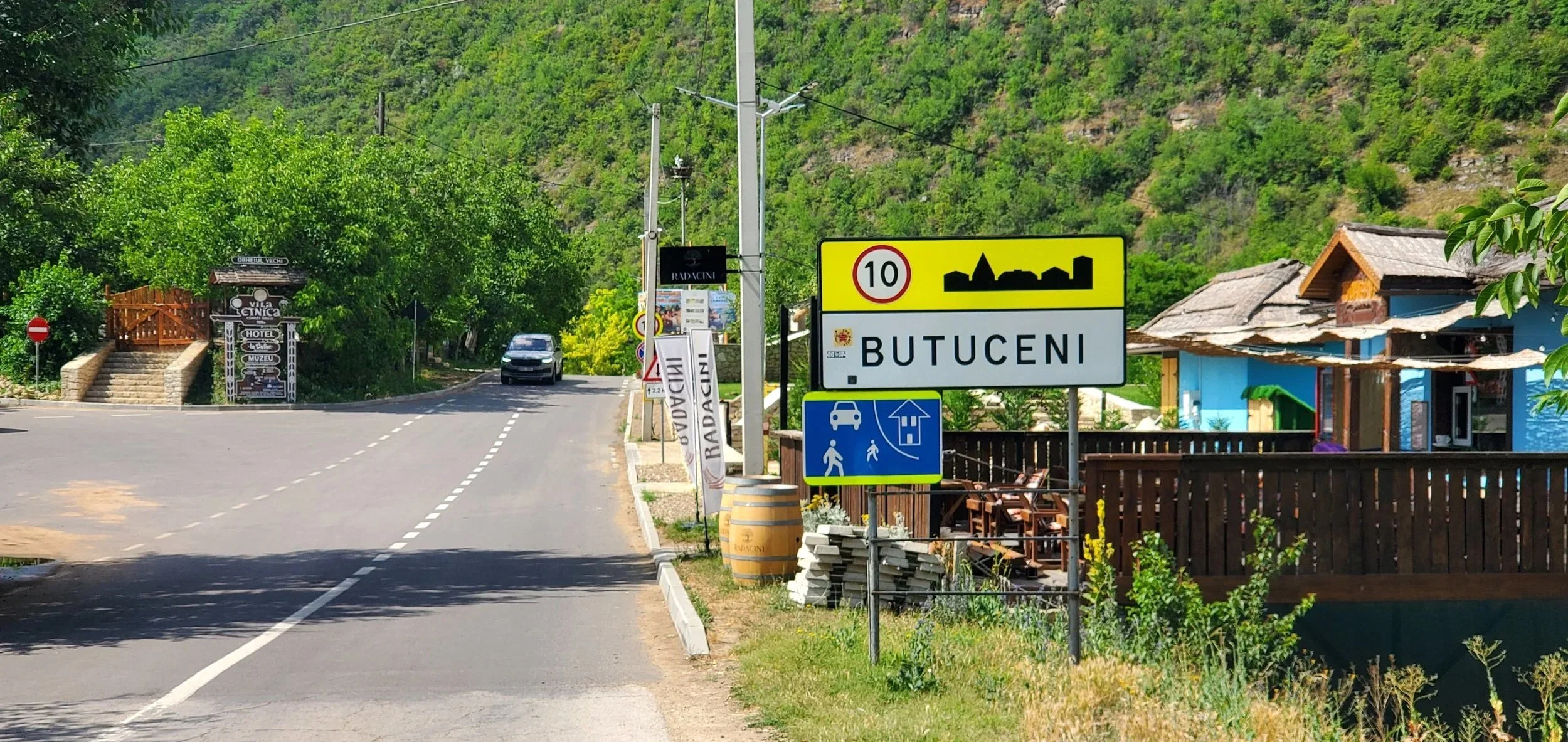
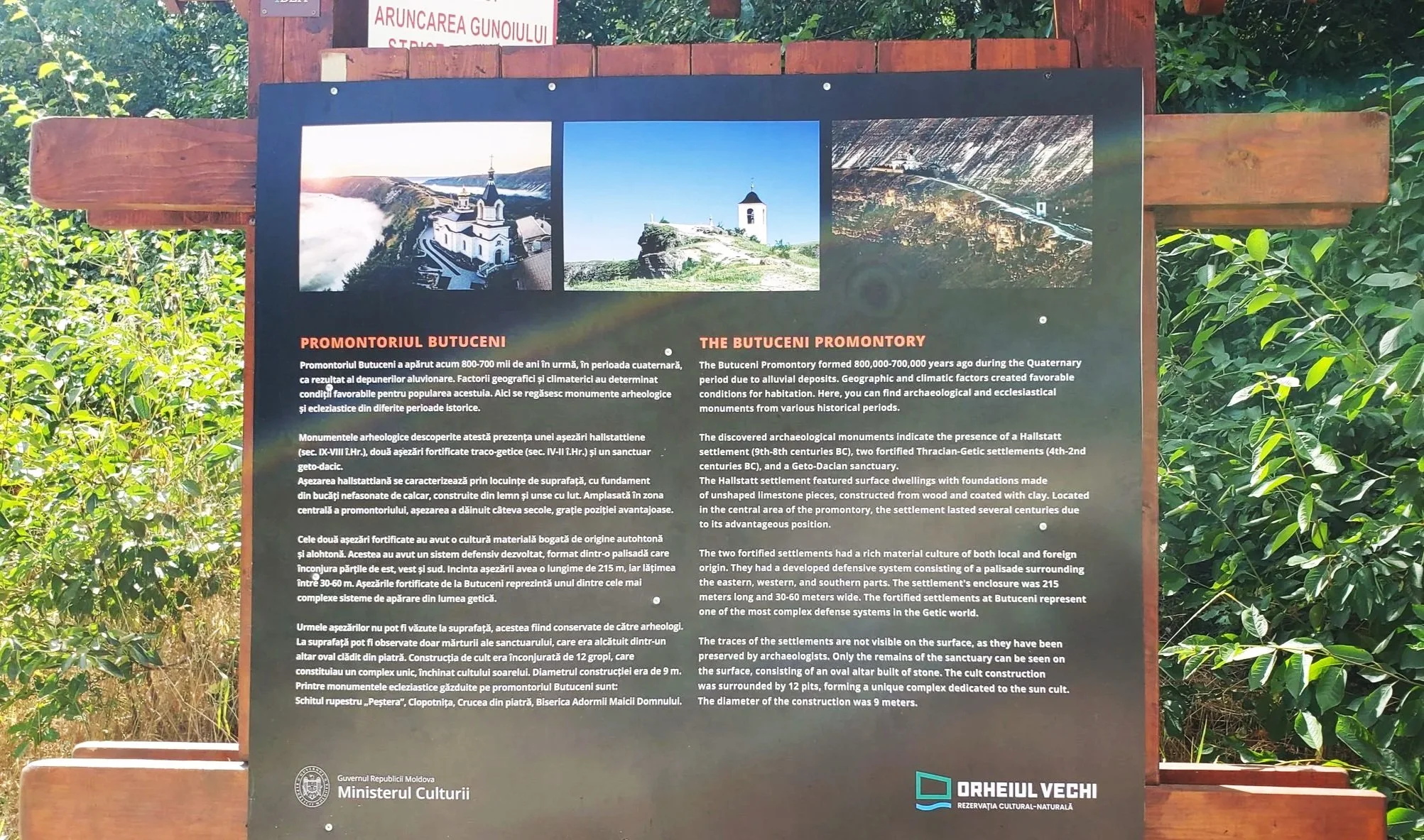
Orheiul Vechi is a religious and archaeological site 50km from Chișinău in the village of Butuceni. Archaeological finds dating back 2,000 years have been found here.
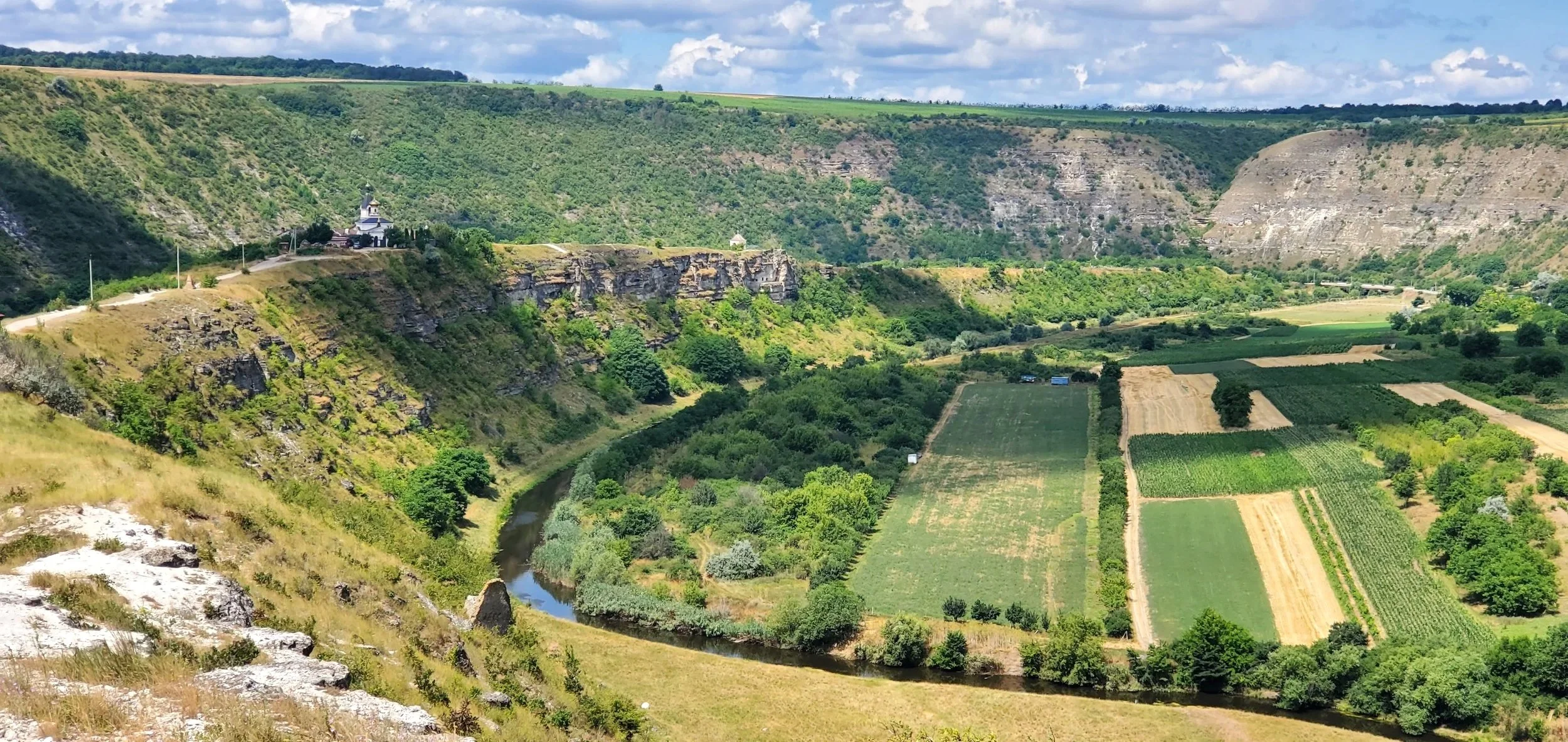
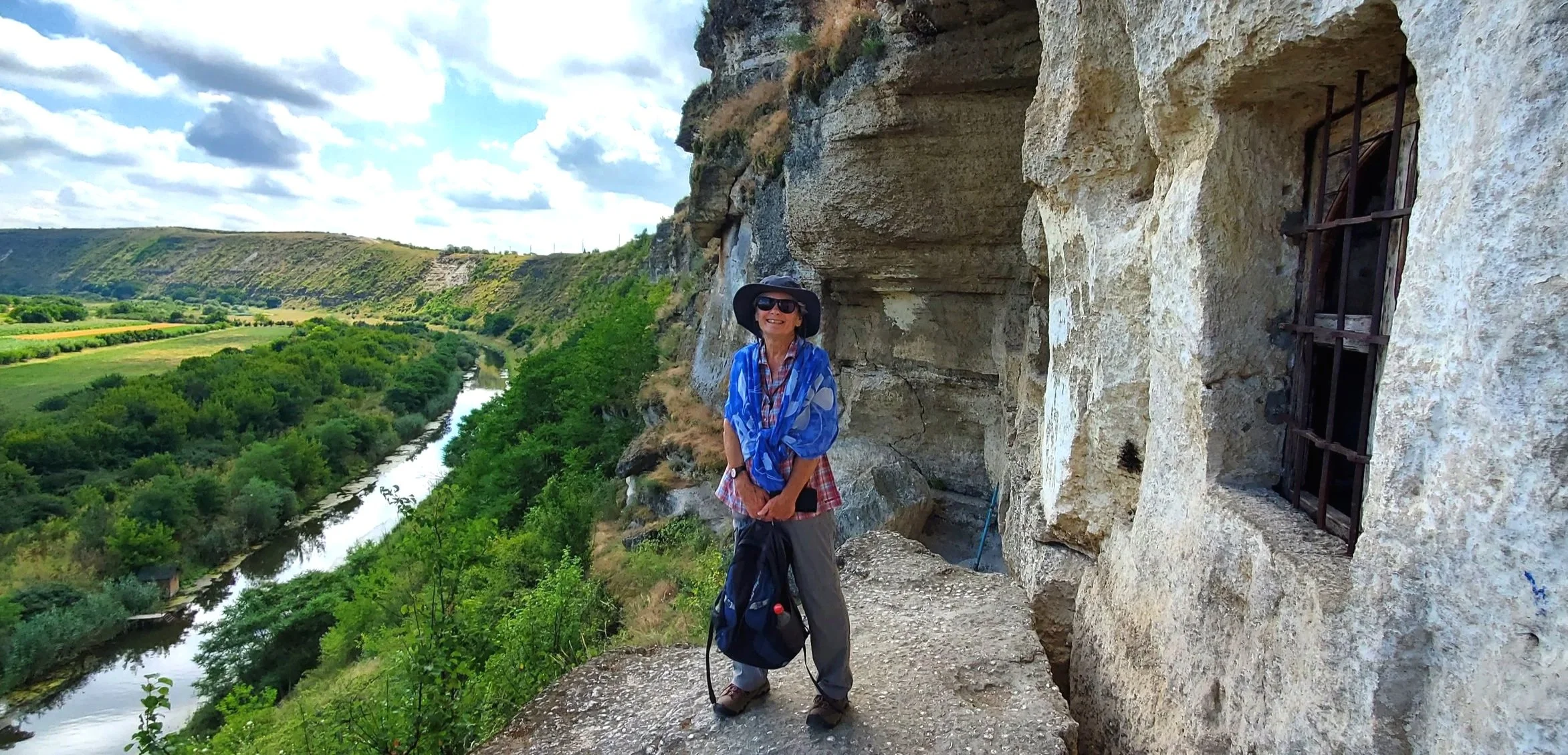
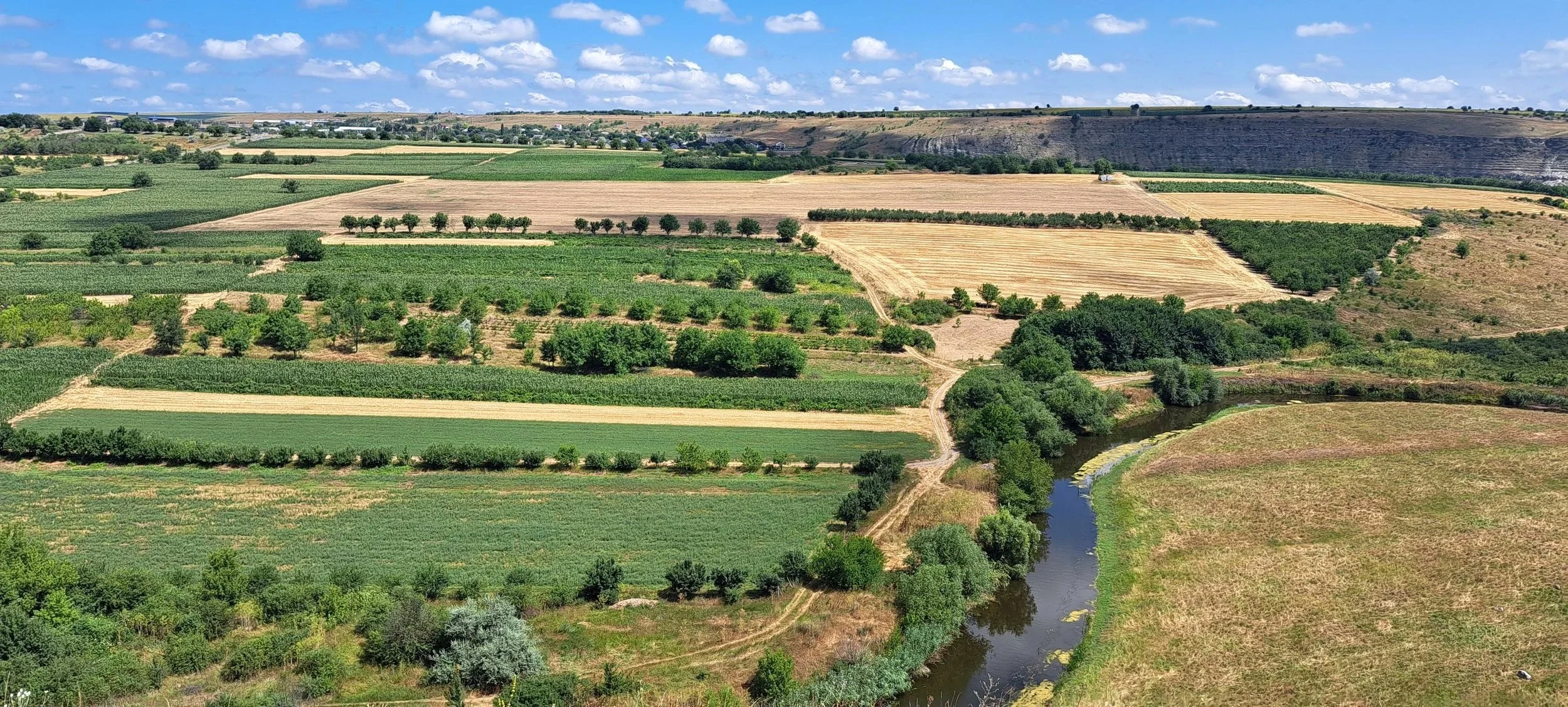
The location is stunning – a sweeping arc of cliff line running beside the Raut River.
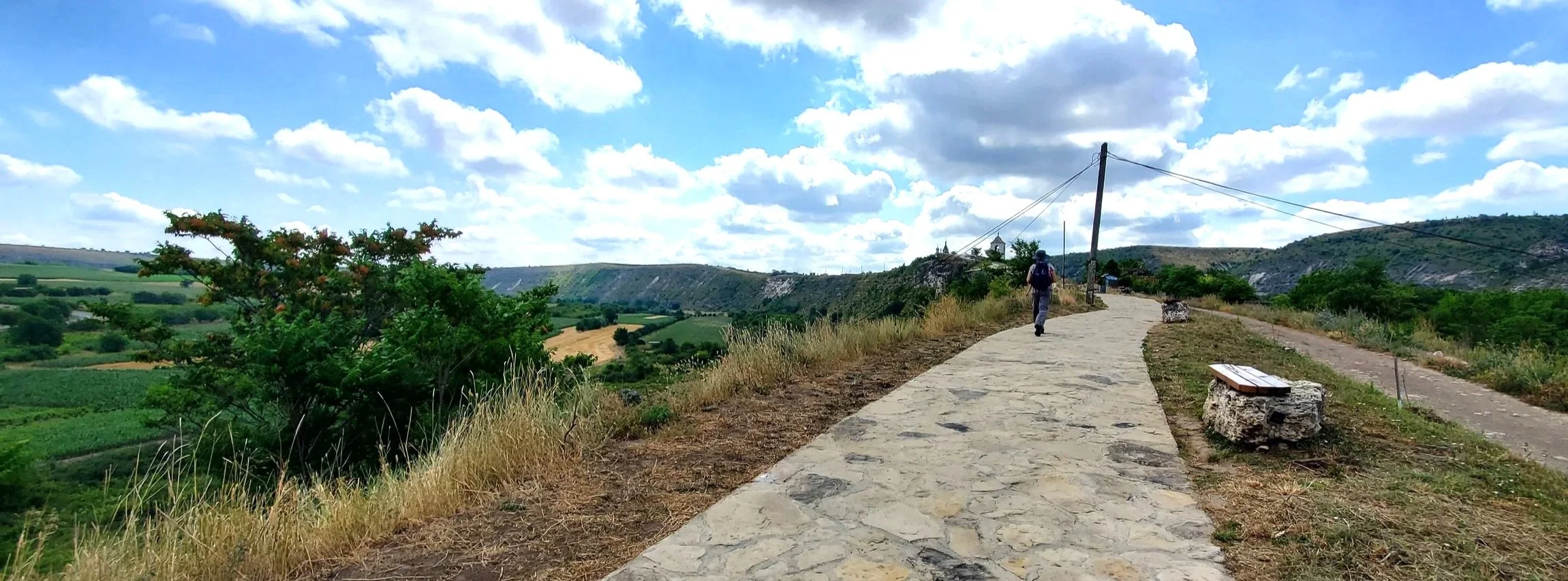
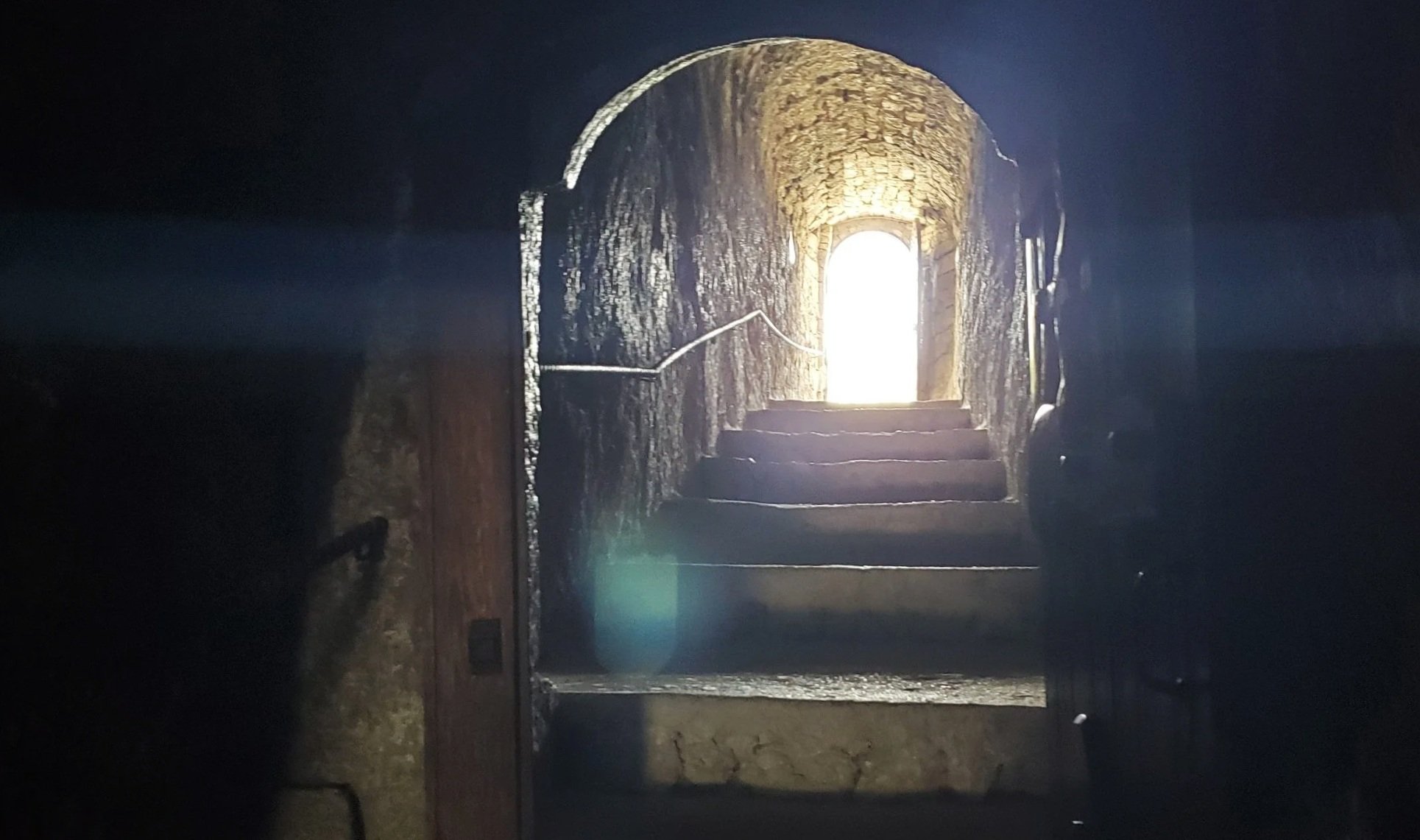
A 15-minute walk from the town leads to a small 13th century cave monastery for which the area is famous.
A monk collects the modest fee required to visit to site.
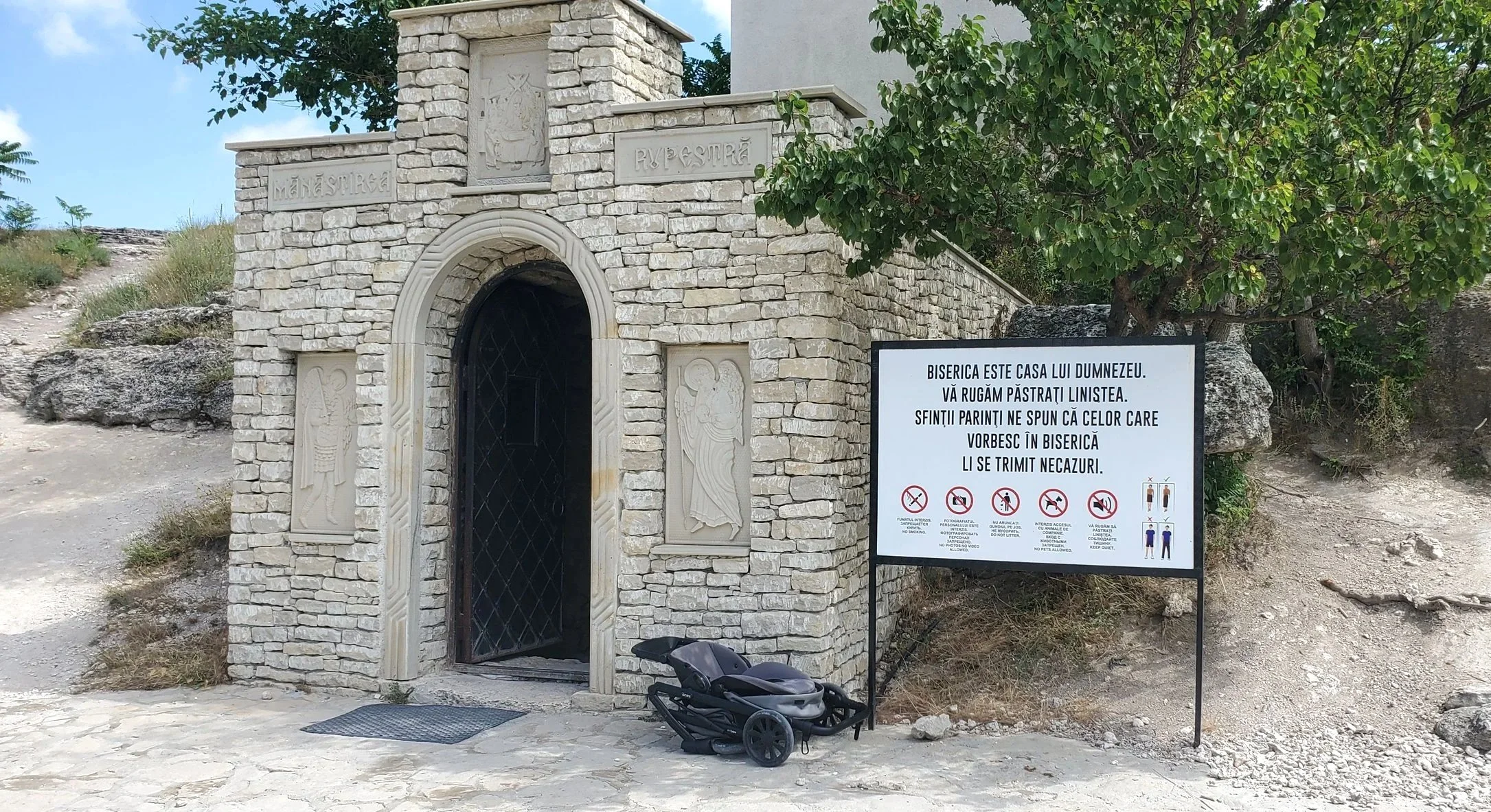
entrance to the cave monastery
The small chapel was dug out by monks. No photos are allowed inside.
Dress is modest. The views from an outside ledge of the river and fertile floodplain below are spectacular.
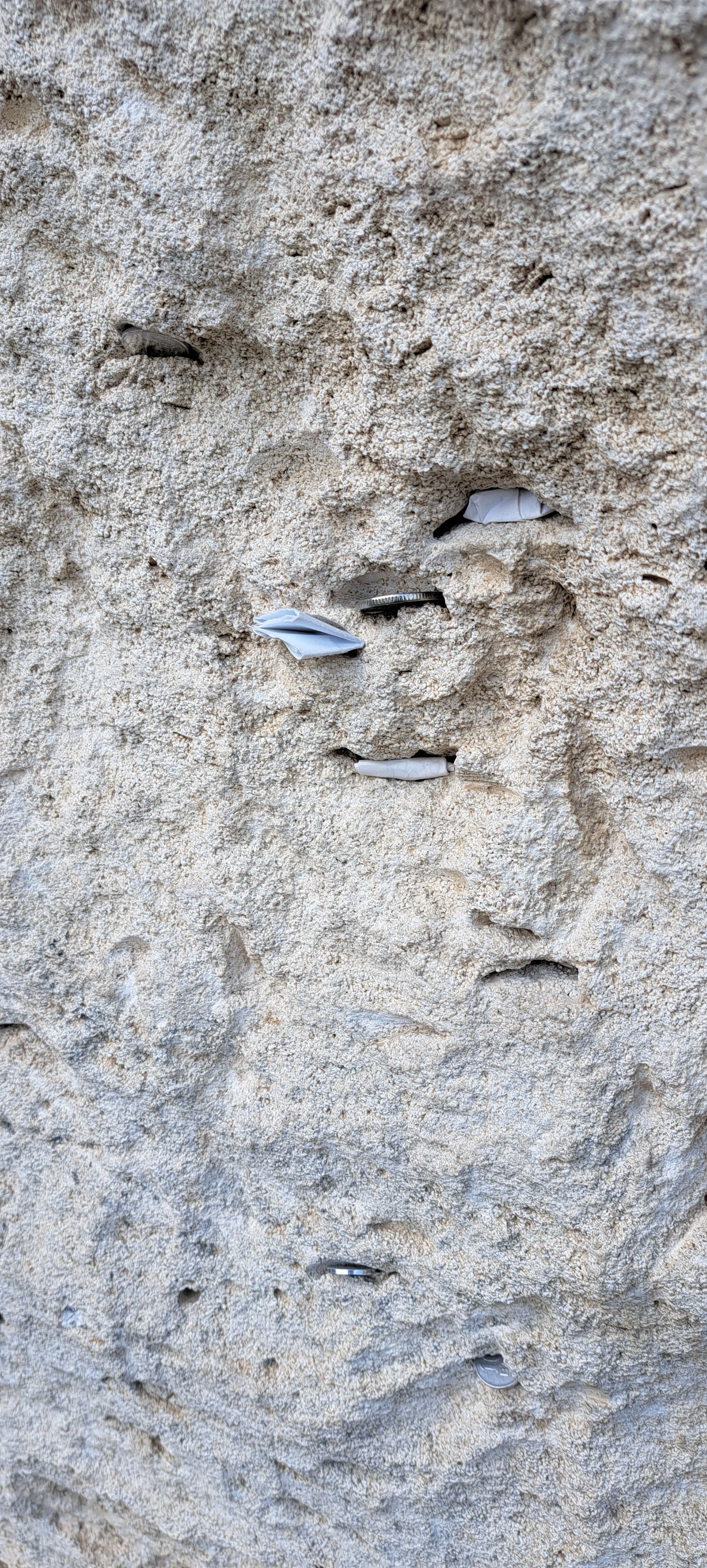
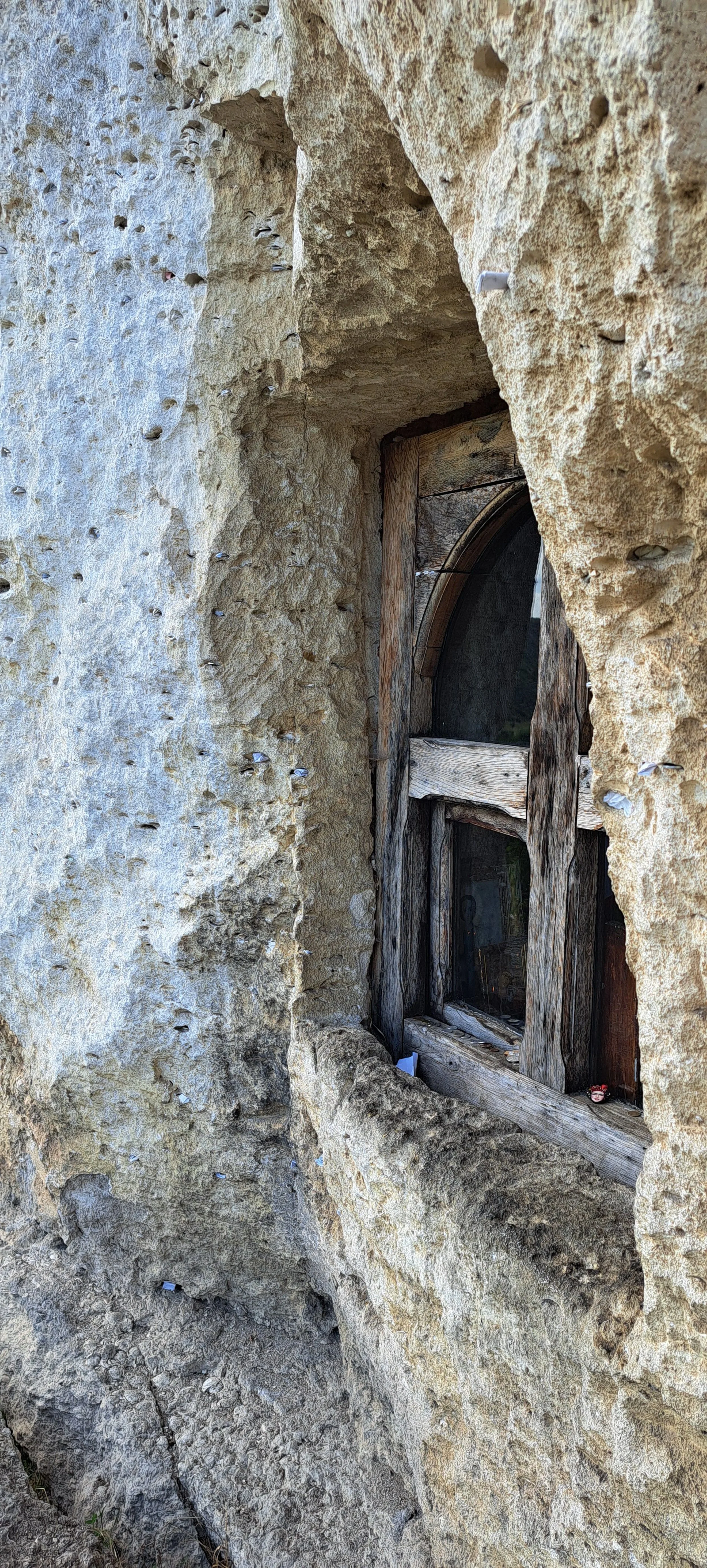
Many visitors place small pieces of paper in the wall cracks adjacent to the ledge which contain their prayers and wishes.
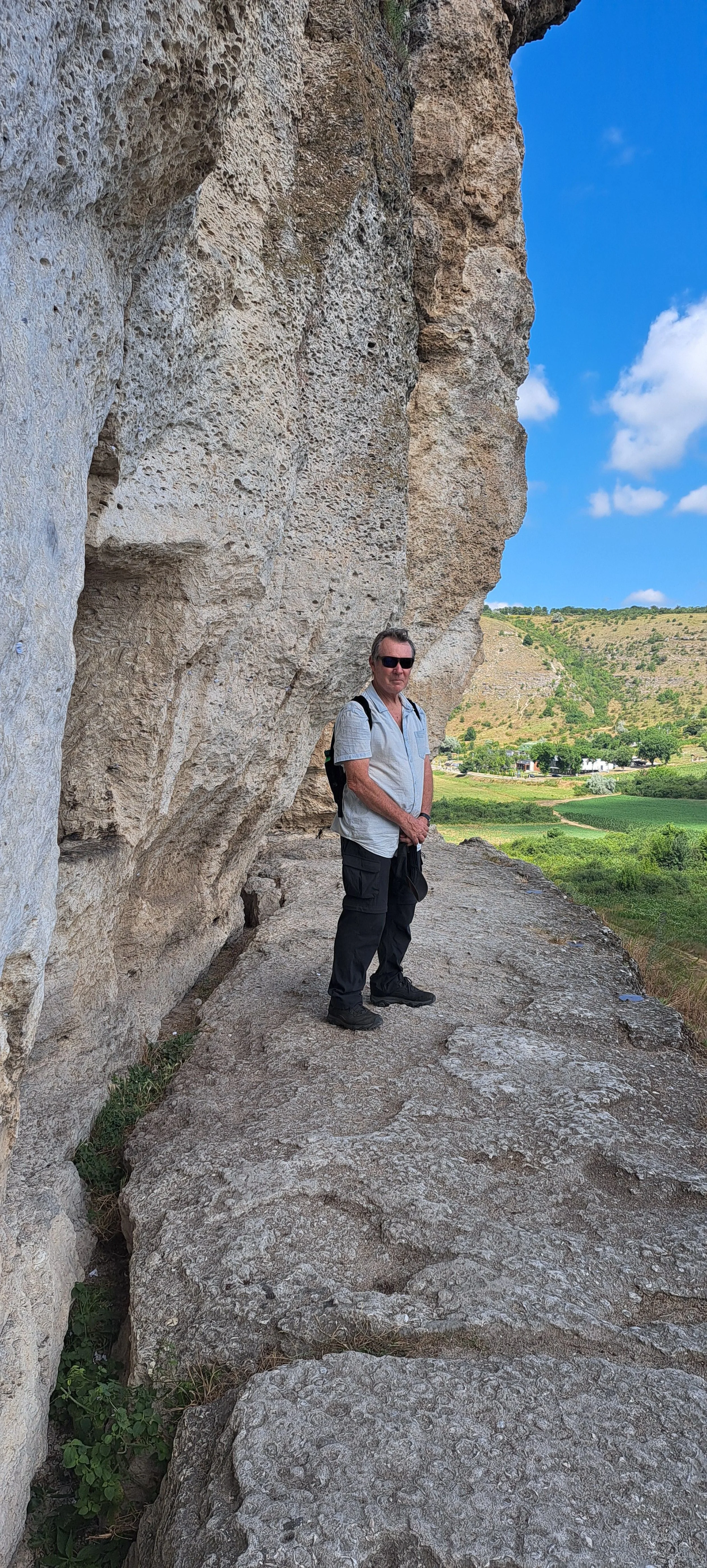
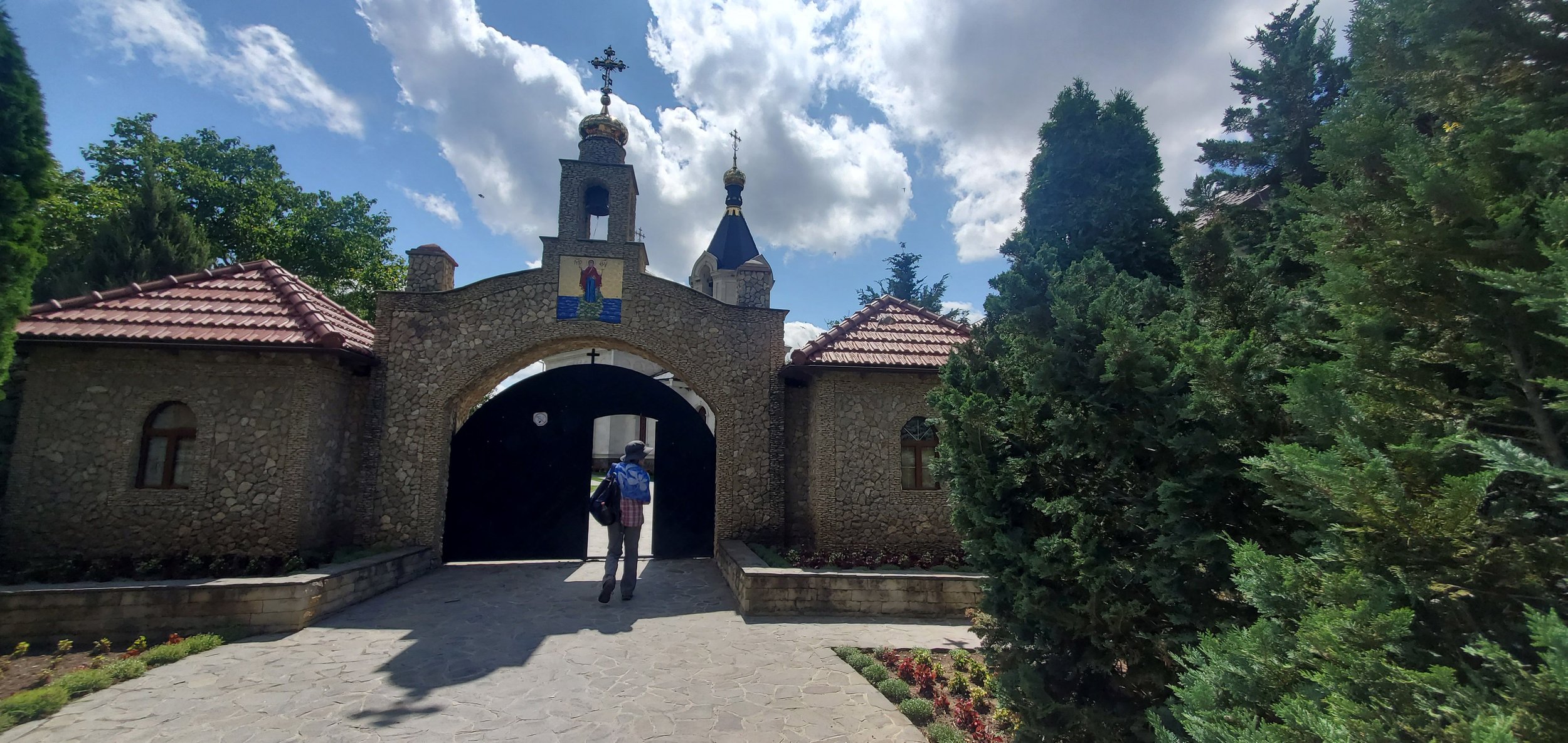
Upon leaving the cave monastery a well-marked track leads along the cliff to an Orthodox church, the home of the monks.
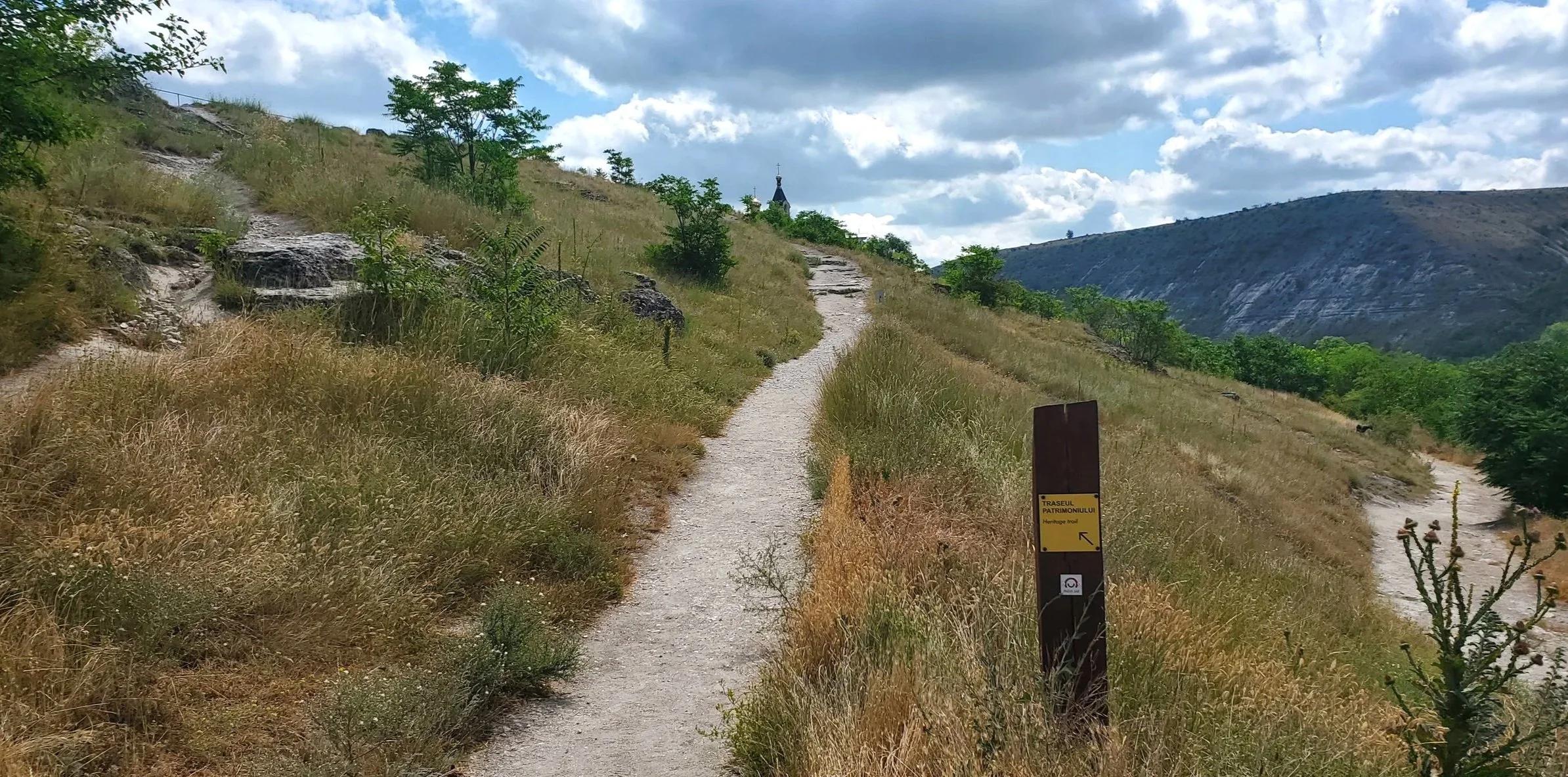
Trails continue along the cliffs.
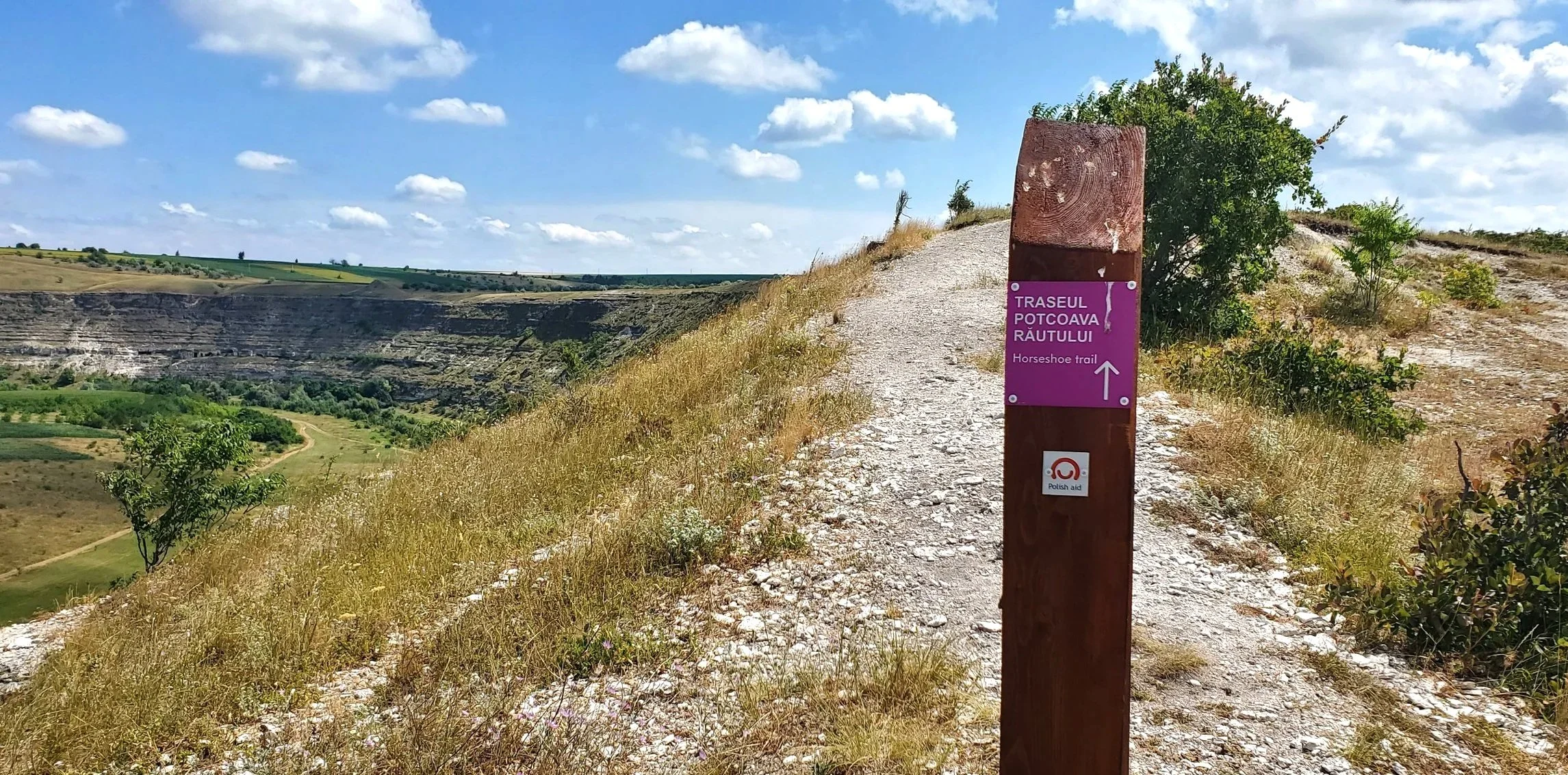
The area below is prime agricultural land.
Back in Butuceni we found a restored peasant dwelling.
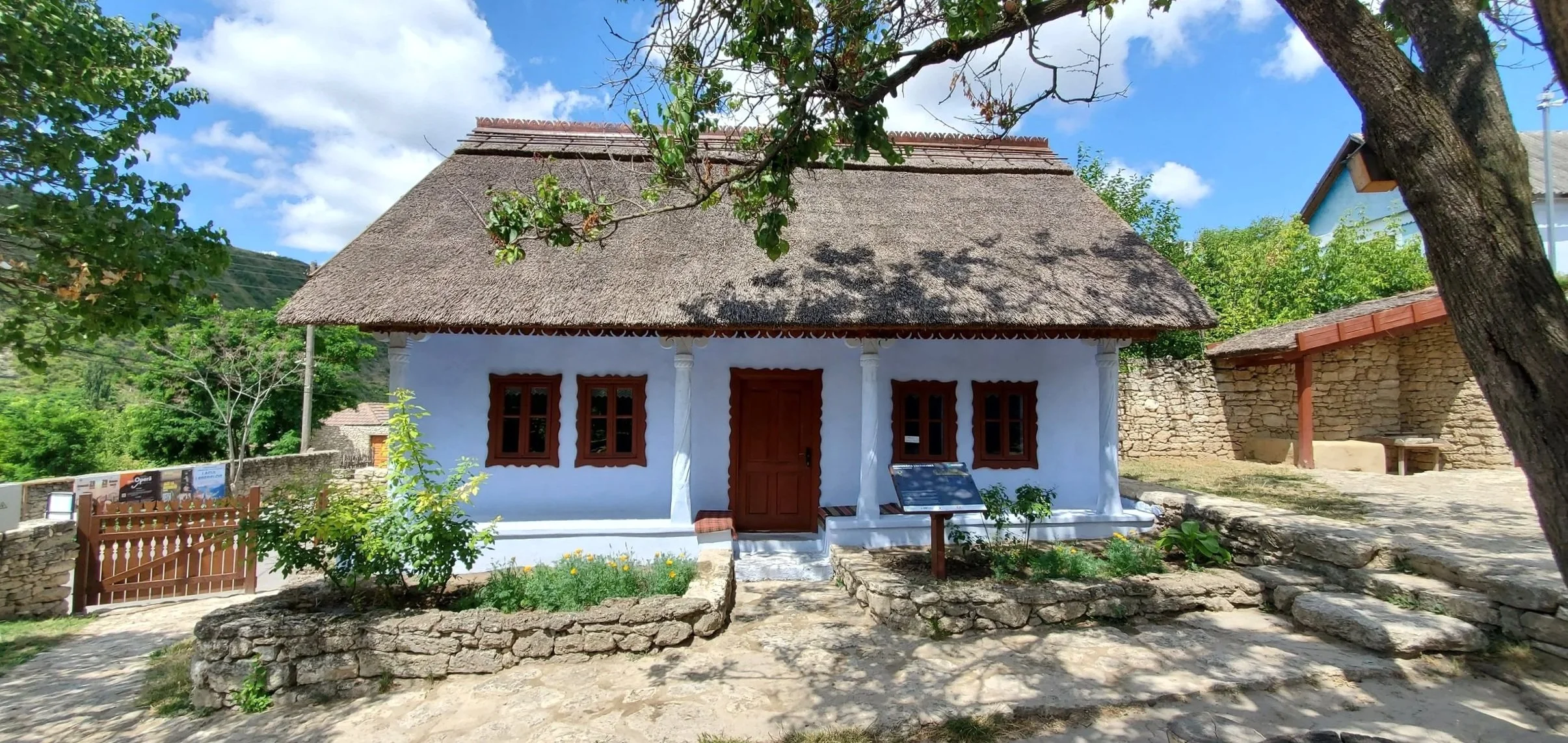
Definitely worth a visit.
Day 3: Wine Tour
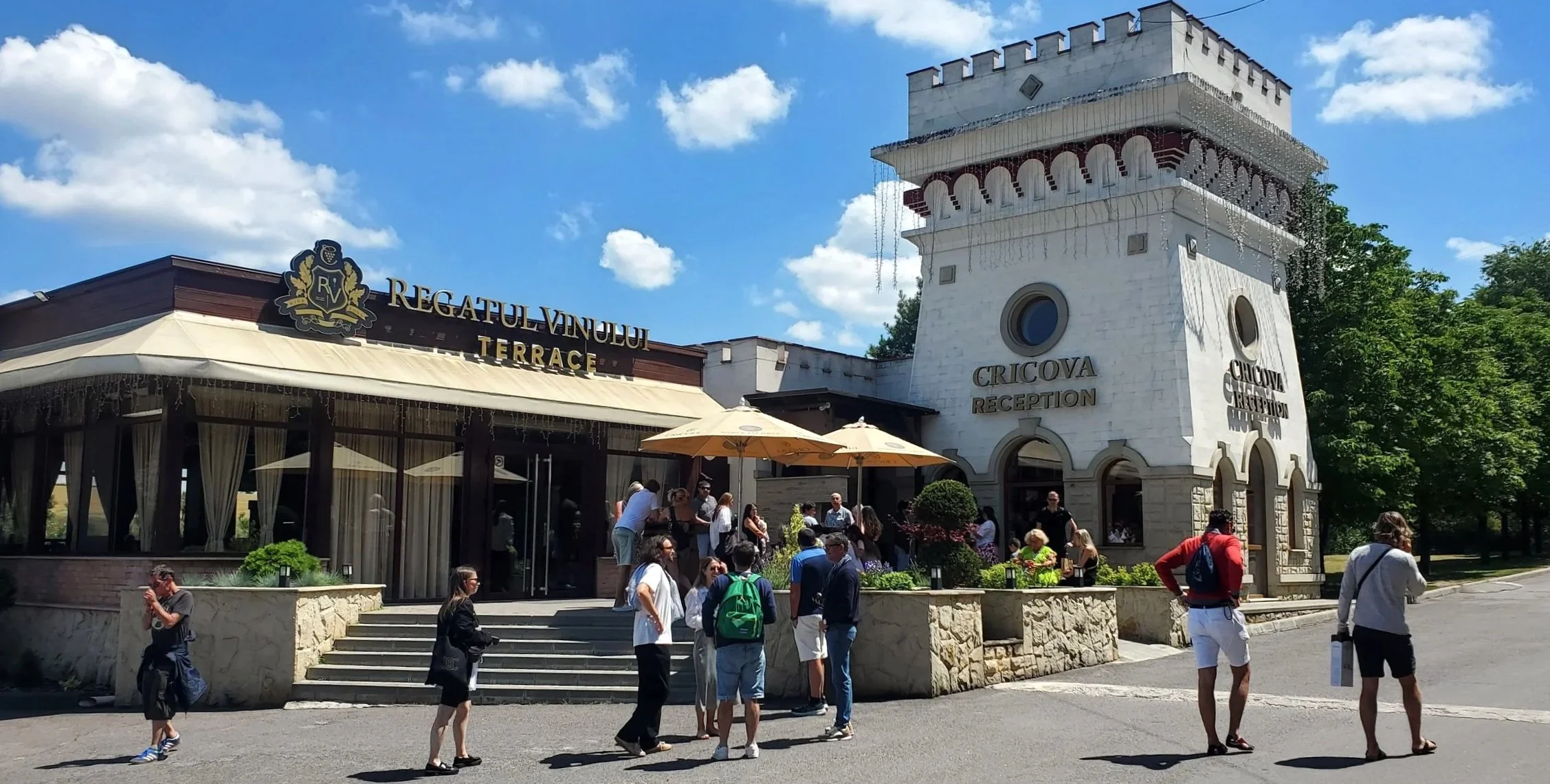
Our choice of winery to visit was Cricova. Cricova and nearby Milestii Mici are two of the world’s largest wineries. Both are within 20km of Chișinău, so we were able to catch a local bus to get there.
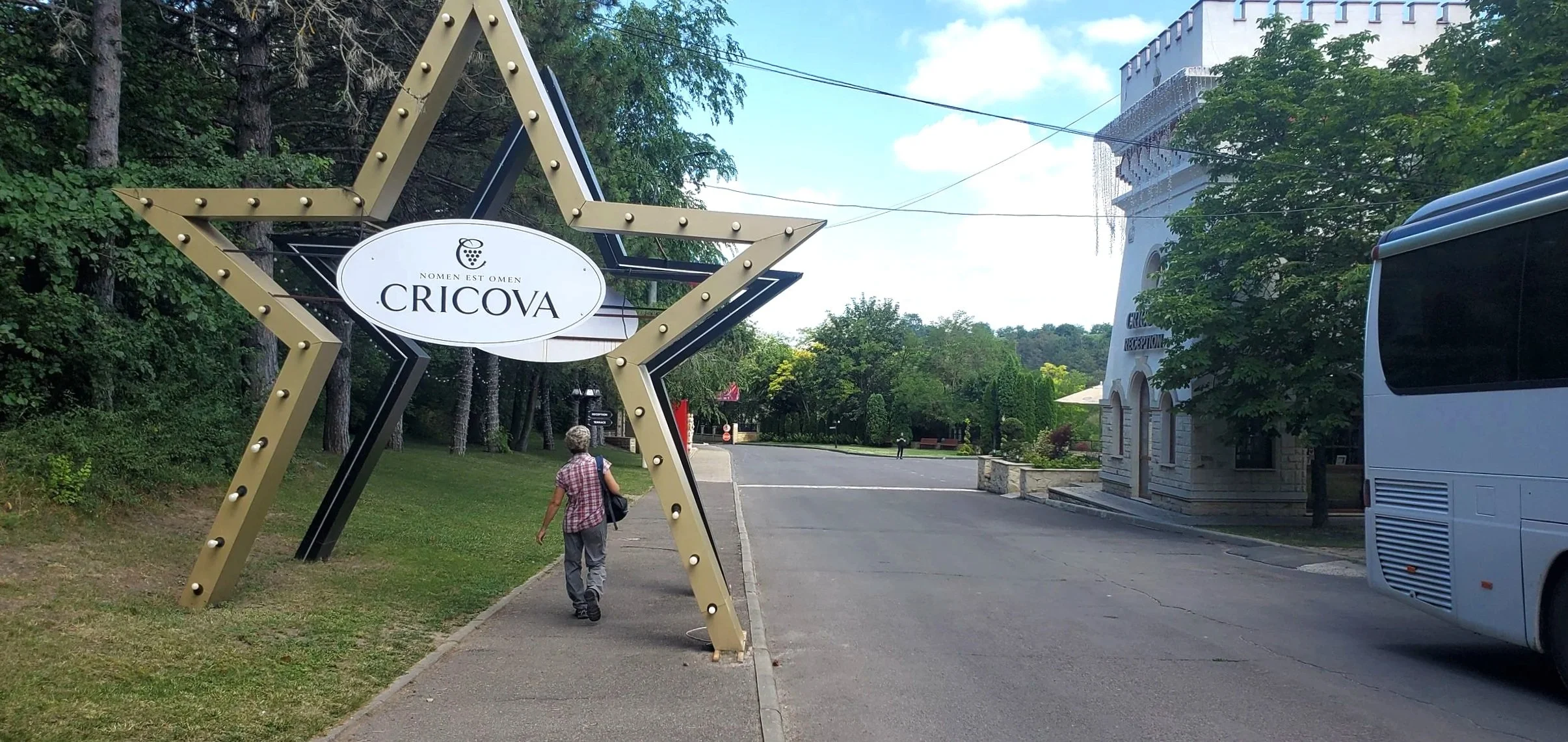
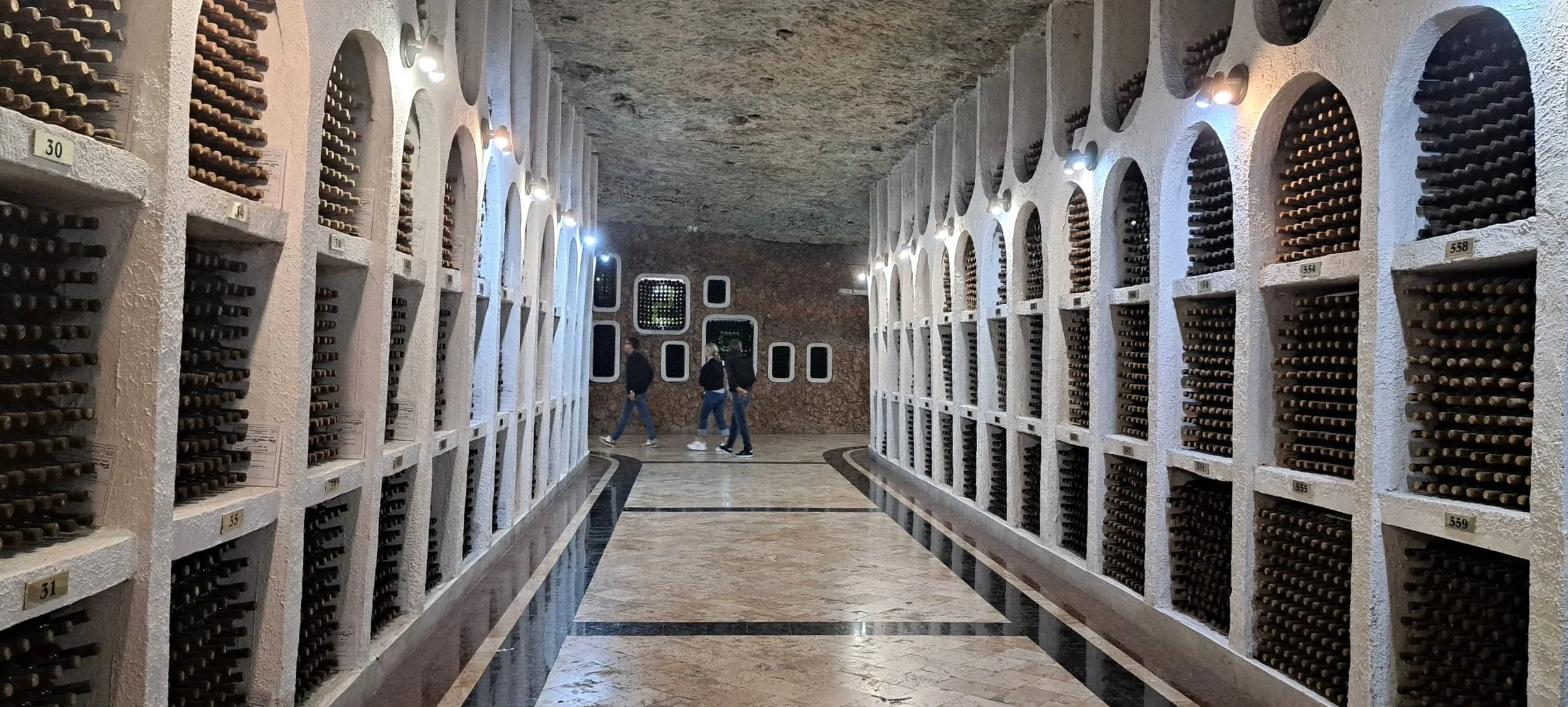
We did the Underground Tour. Cricova has 120km of tunnels in an ex-limestone quarry that has been turned into a massive wine cellar.
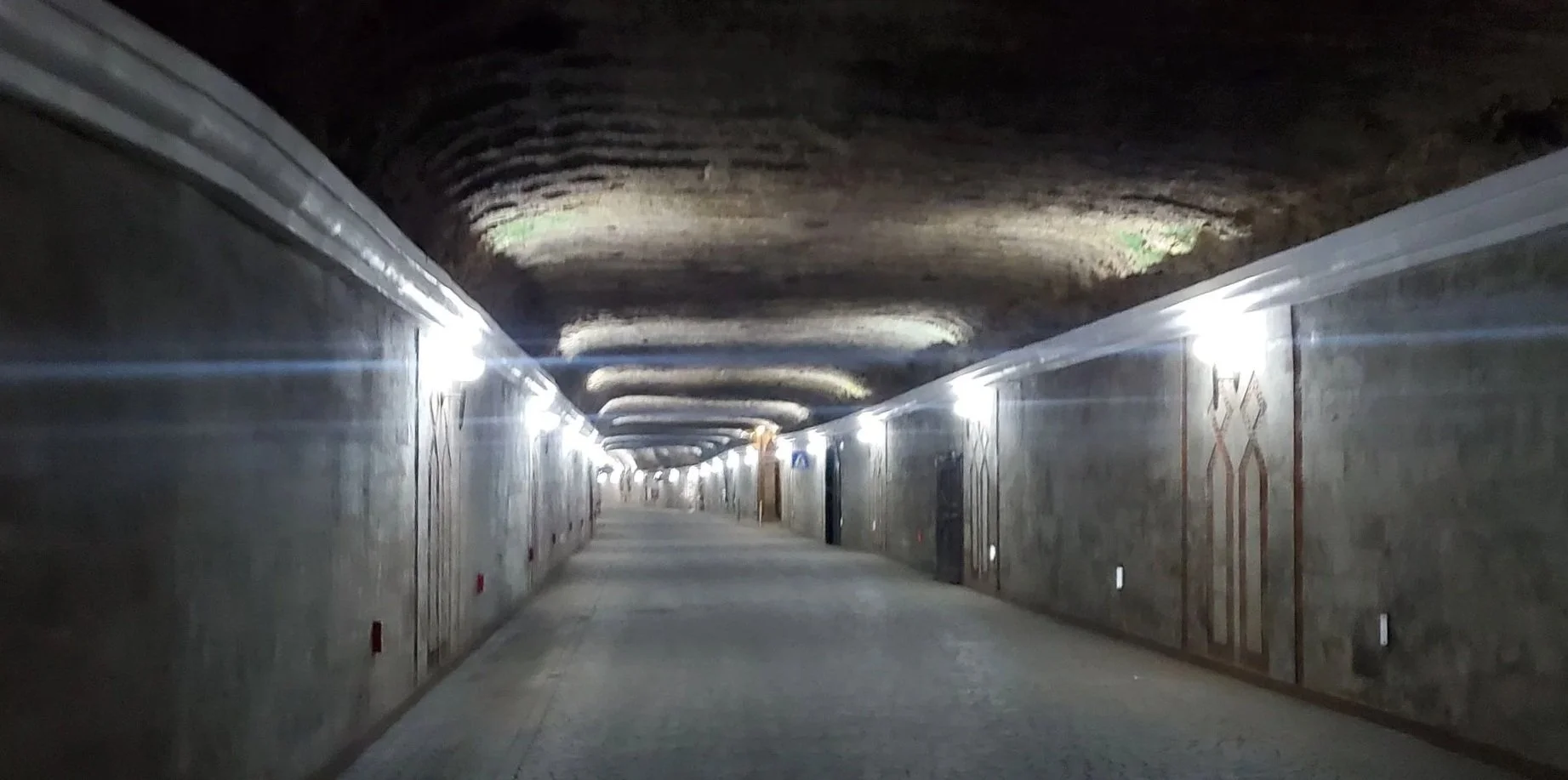
The tunnel complex seems to go forever. The constant cool temperature needed for wine cellaring means that it is cool to cold in the tunnels, so bring a jacket, even if the outside temperature is hot.
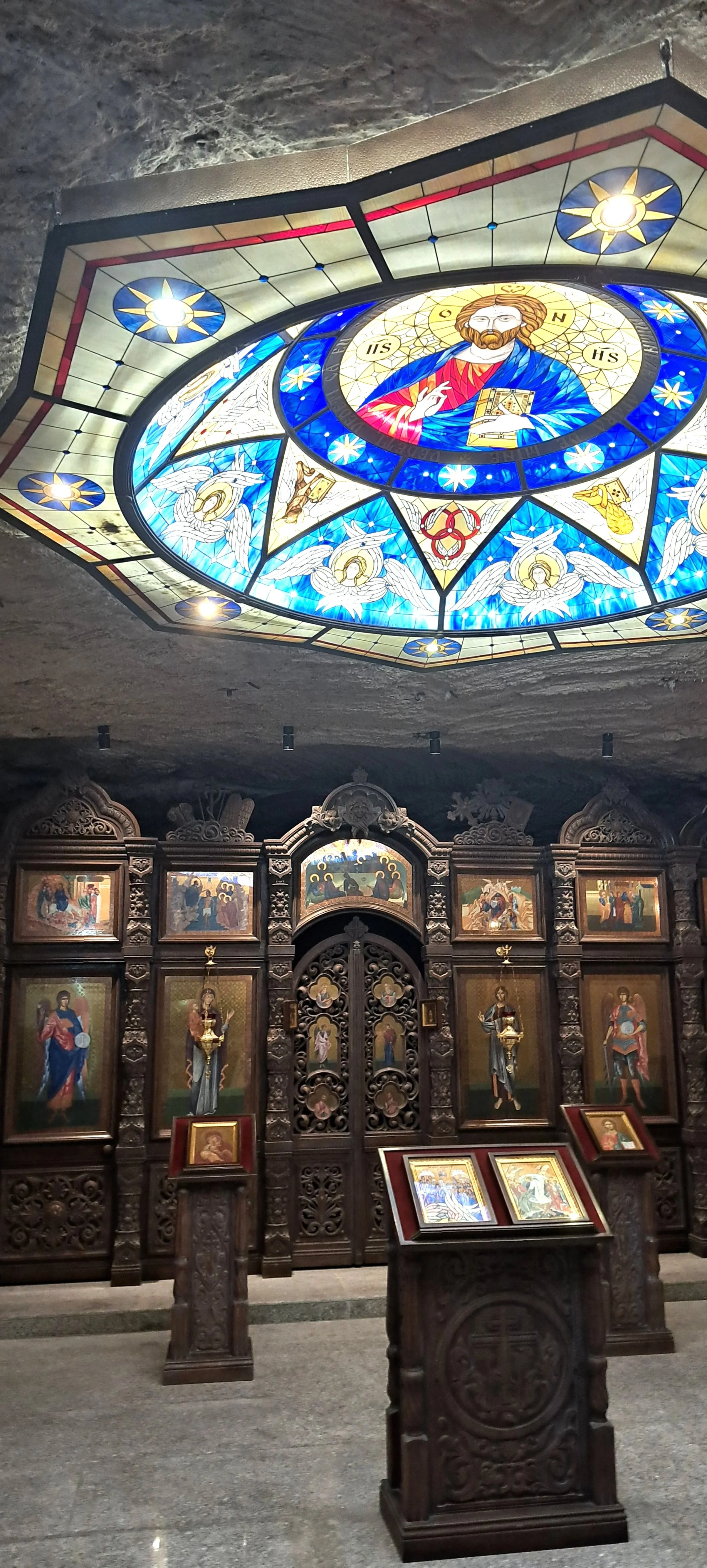
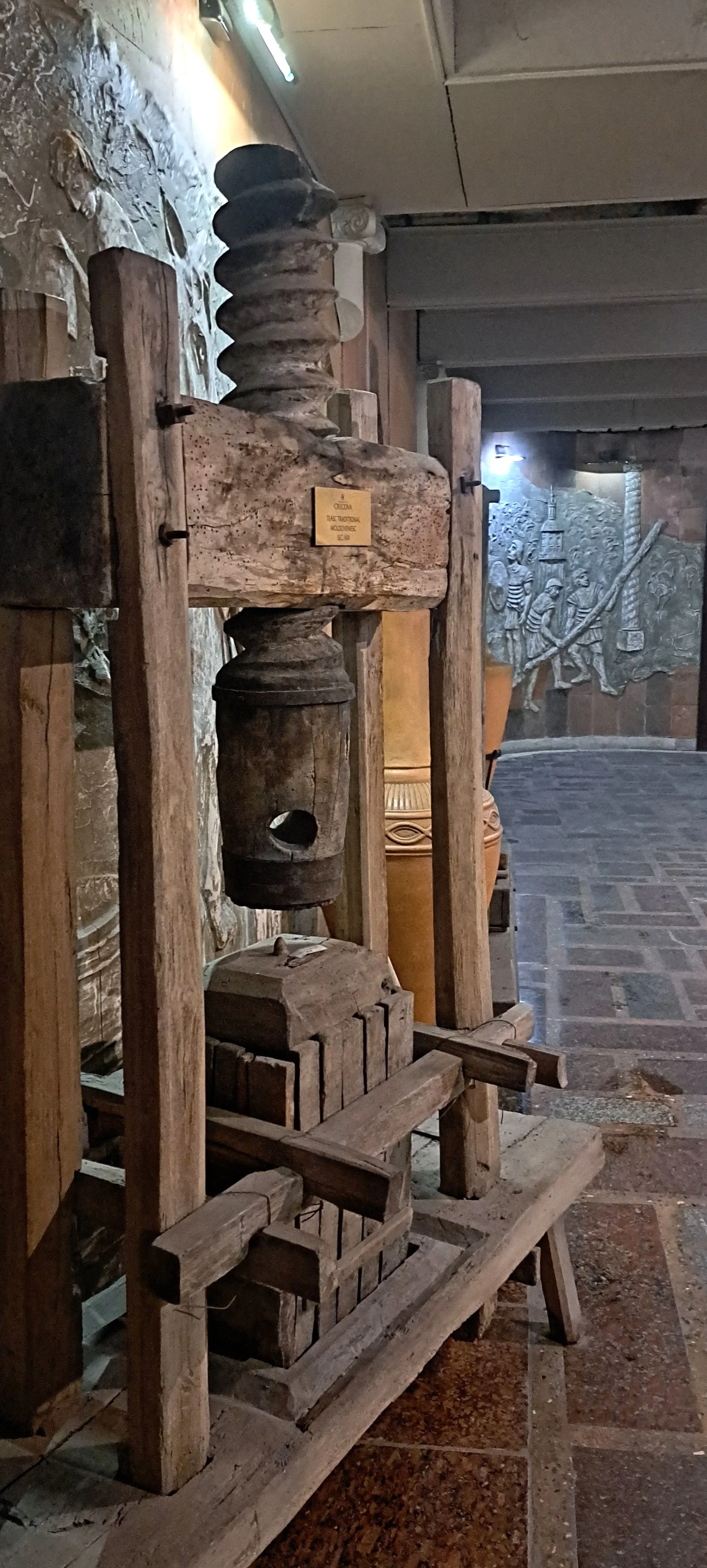
We saw some old-school winemaking equipment. And visited an underground chapel.
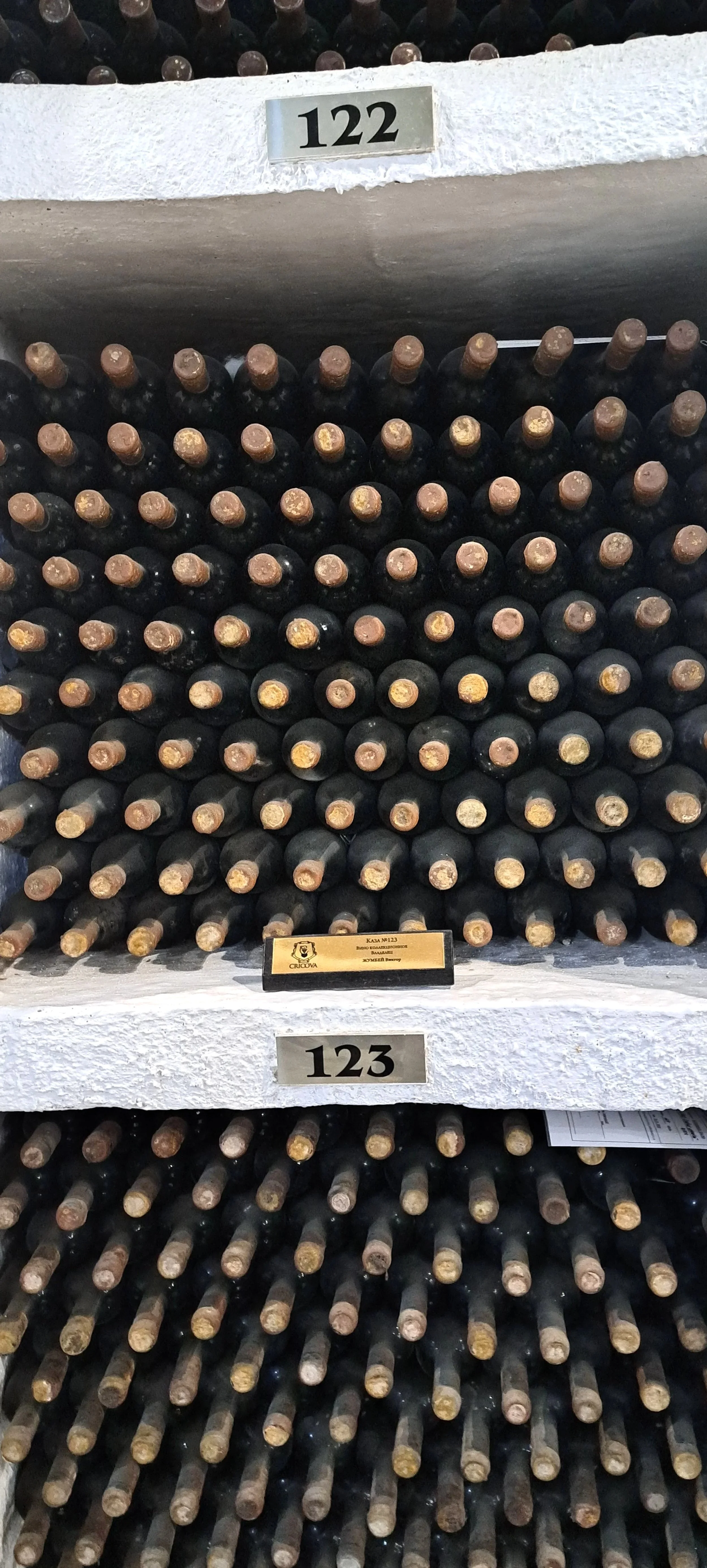
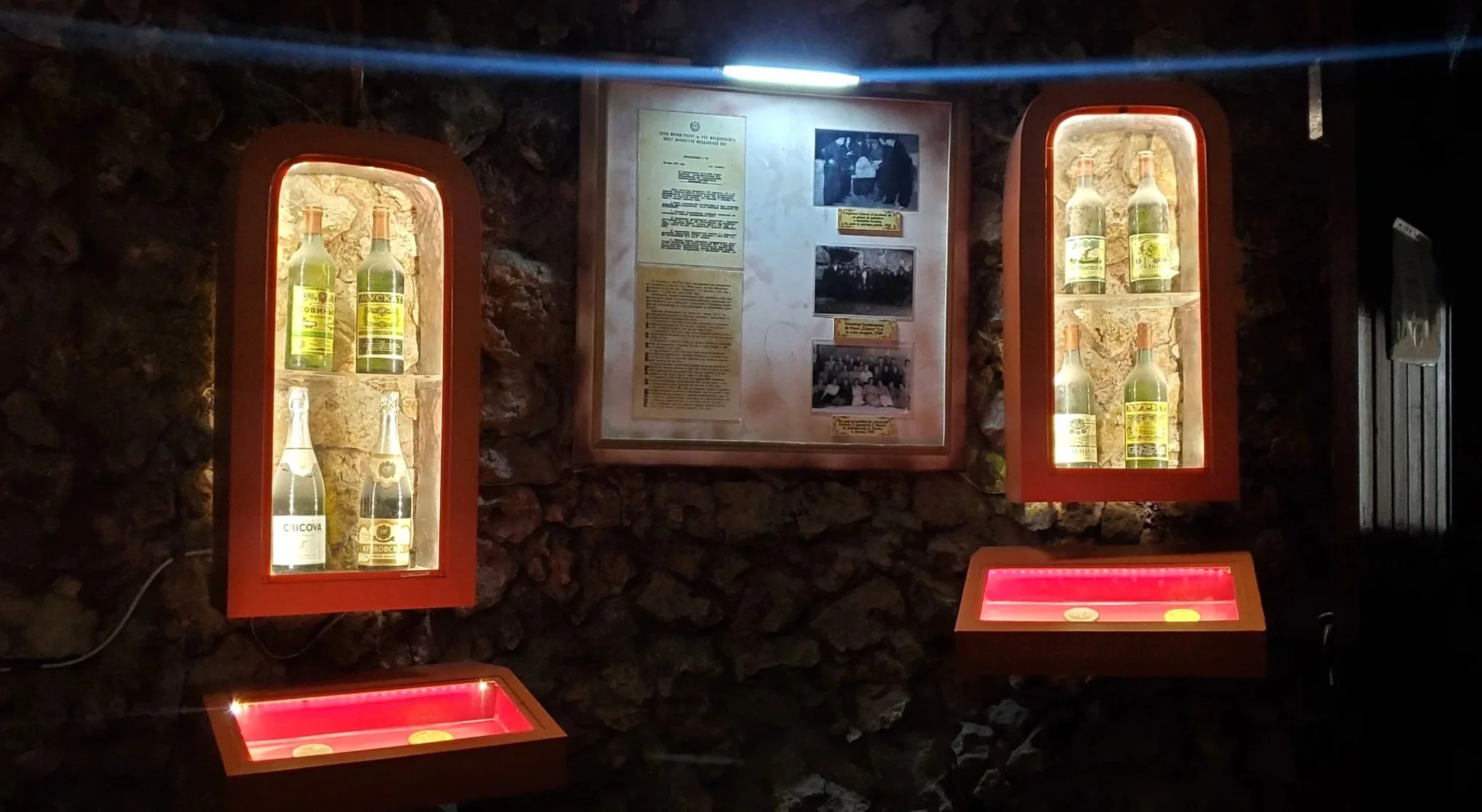
Some of the wines are pretty old in their museum wines display, with the oldest dating from 1901.
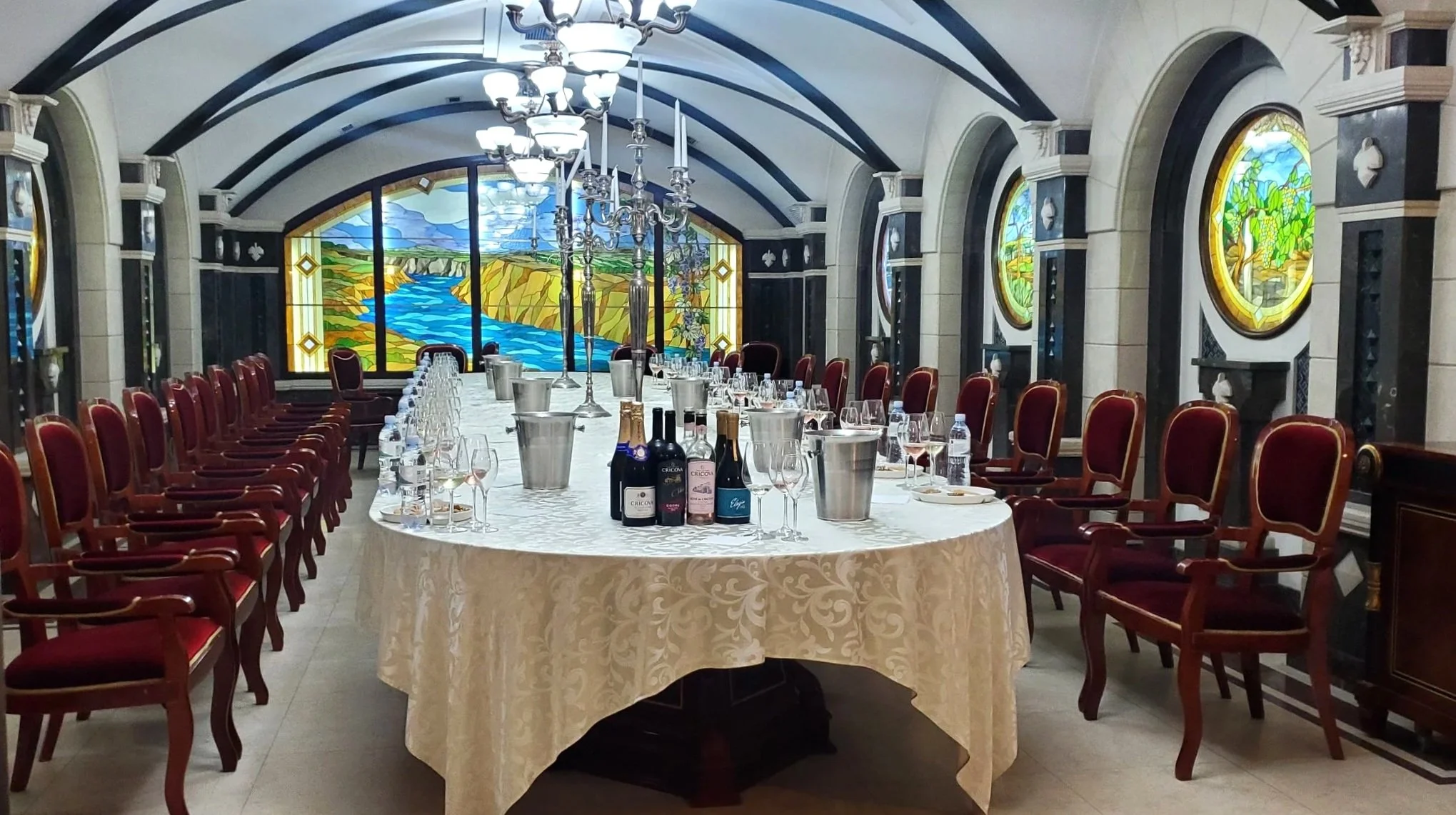
They even have an underground tasting room come restaurant.
Naturally, we grabbed a couple of bottles to take home with us.
Conclusion
Our visit to Moldova, more specifically Chișinău, was very brief. We had but a glimpse of what this small, little-known country has to offer. But we liked what we saw. It felt very safe and people were friendly and helpful. Enough English is spoken by those working in tourism and hospitality to make the basics of travel easy. We’d say, if you happen to be vaguely in the area, call in and check it out, you won’t be disappointed. If you want to know a little more about visiting Moldova here’s a link to the official government tourism site.
From Chișinău we flew to Budapest, Romania ready to begin the last part of our trip from Helsinki to Istanbul. You can read about it soon in “Part 6: Transylvania, the Danube Delta, and a Beach in Bulgaria.”
Ken and Cally